GJIROKASTER: 3 DAYS IN ALBANIA’S HISTORIC CITY OF STONE
GJIROKASTËR: 3 DAYS IN ALBANIA’S HISTORIC CITY OF STONE
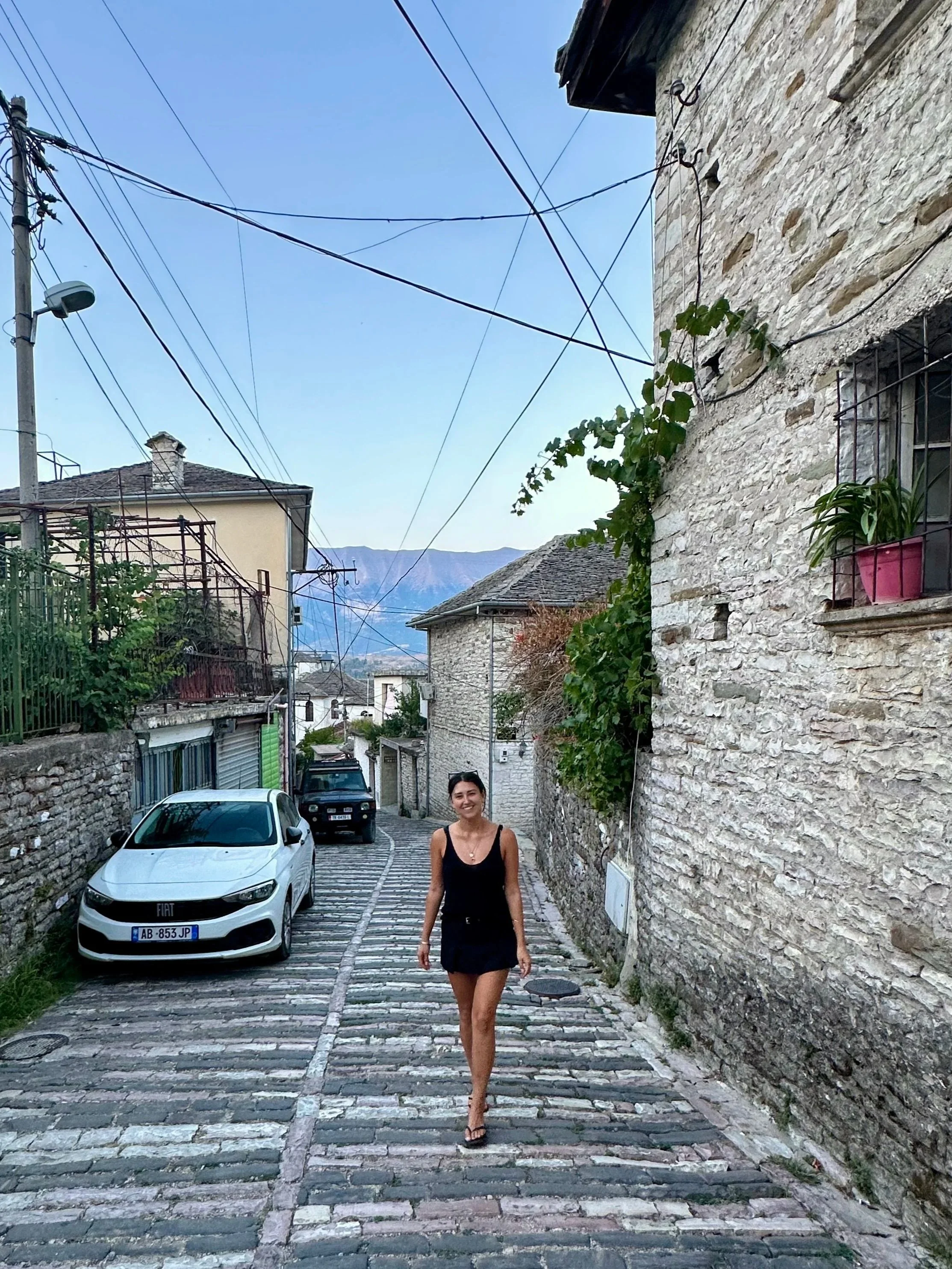
Perched in southern Albania, Gjirokastër transports you to an old European town shaped by centuries of layered Balkan history. Ottoman influences remain etched into its stone facades, while traces of shifting empires and political eras linger in its fortress and homes. Set against a backdrop of surrounding mountains, washing hangs from balconies, and locals sip morning espresso beneath carved stone arches. Here, life unfolds at an unrushed pace in a place that feels both historic and lived-in, distinct from anywhere else in Albania.
ARCHITECTURE
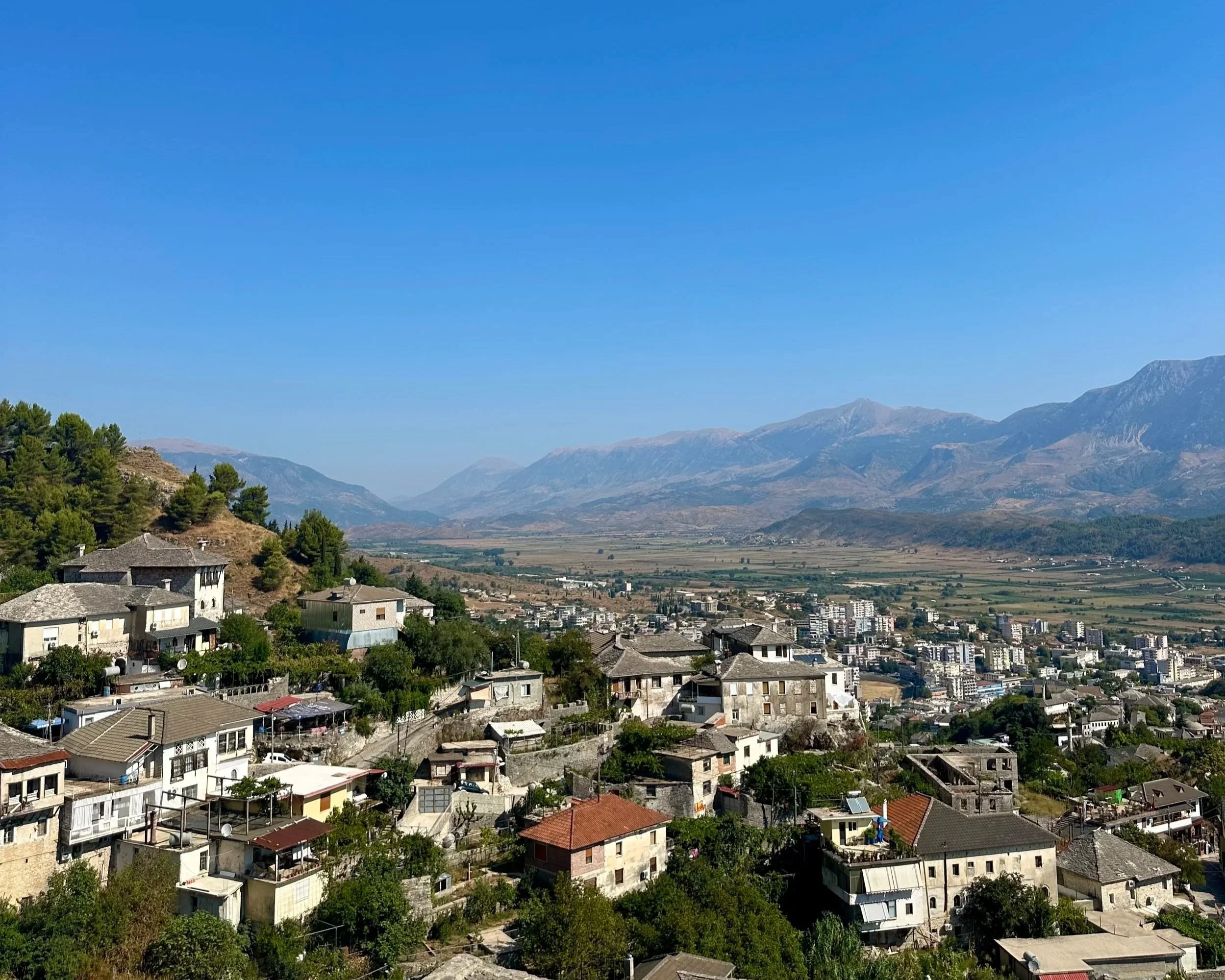
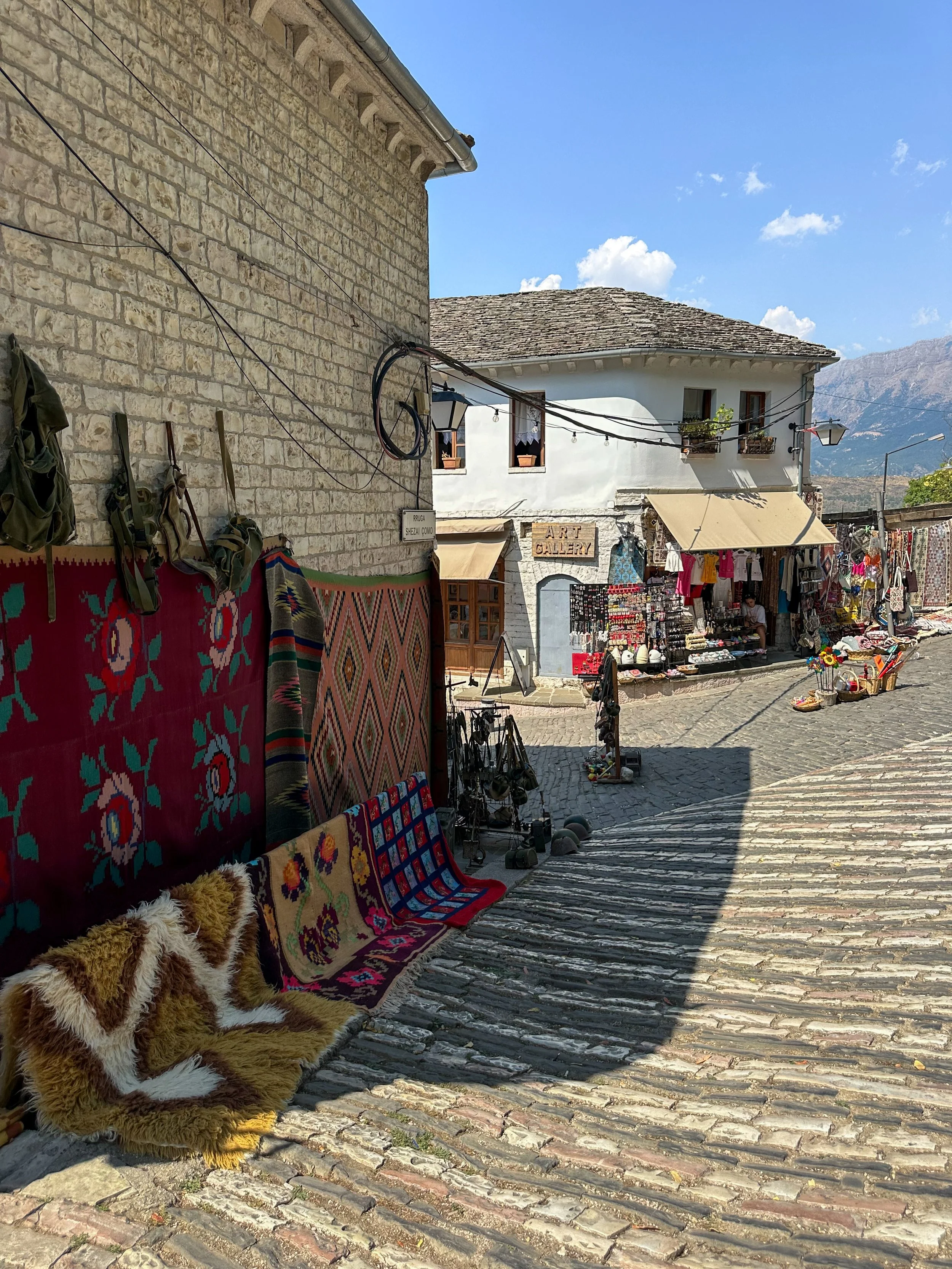
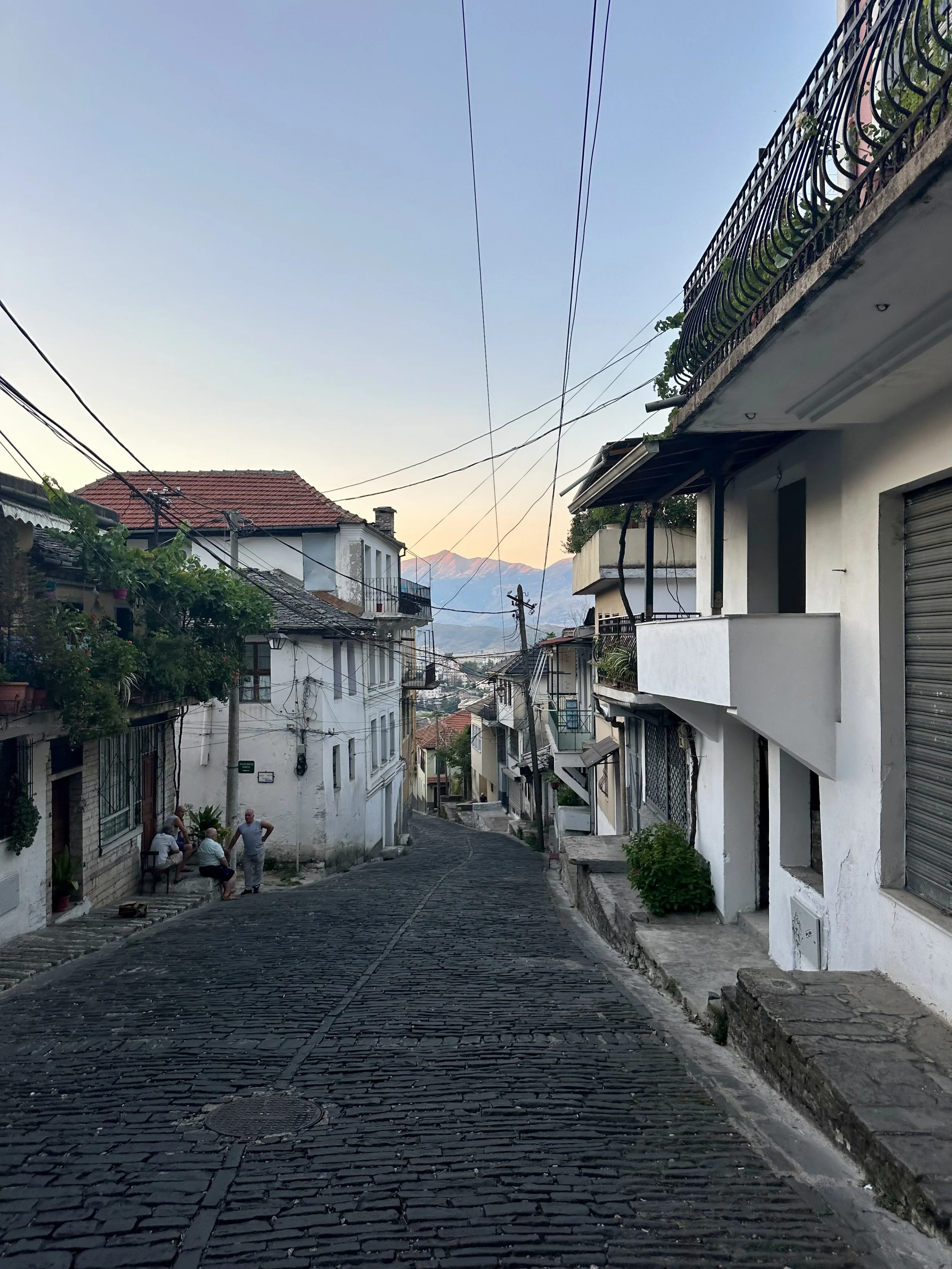
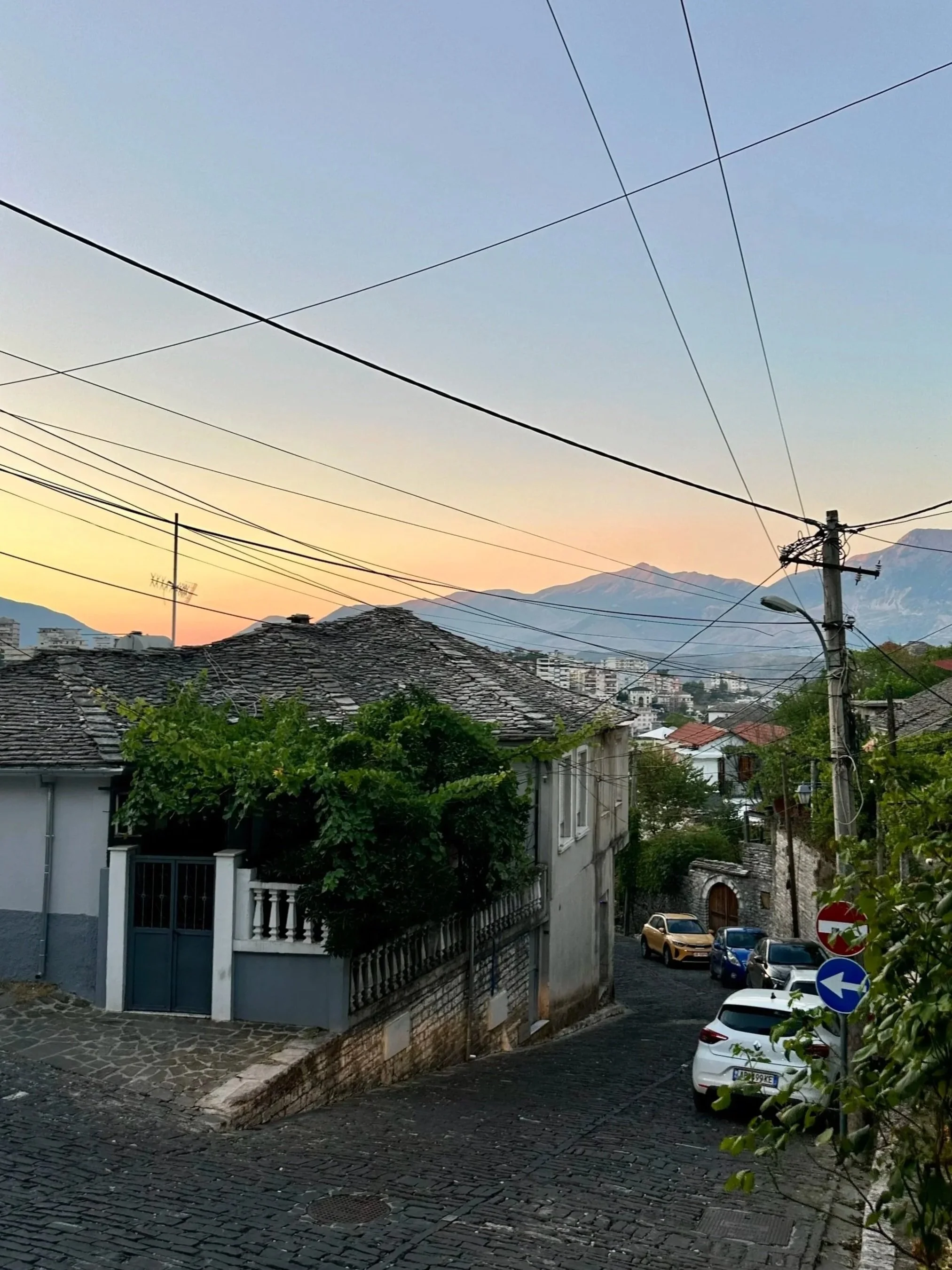
UNESCO-listed for its preserved Ottoman-era architecture, Gjirokastër is known as “The City of Stone.” Tower houses cascade down the hillside, following the natural contours of the valley using traditional techniques and local materials from the mountains. Thick stone walls insulate against sweltering summers, while heavy stone roofs withstand winter snow. Cobblestone streets weave steeply through the terrain, revealing layered rooftops against endless peaks. Here, Gjirokastër feels deeply connected, resilient and inseparable from its landscape.
ARTISTRY IN STONE & THREAD
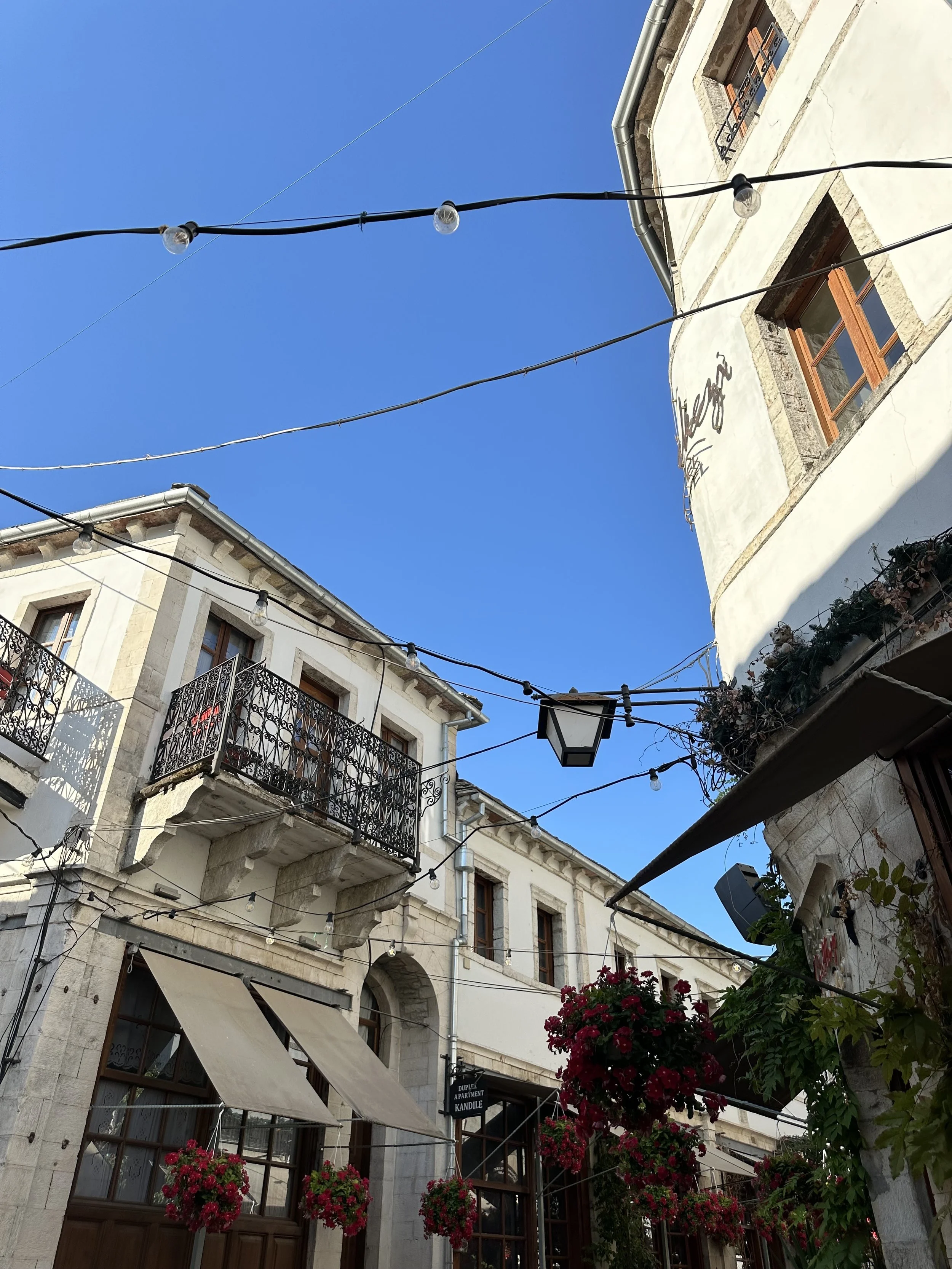
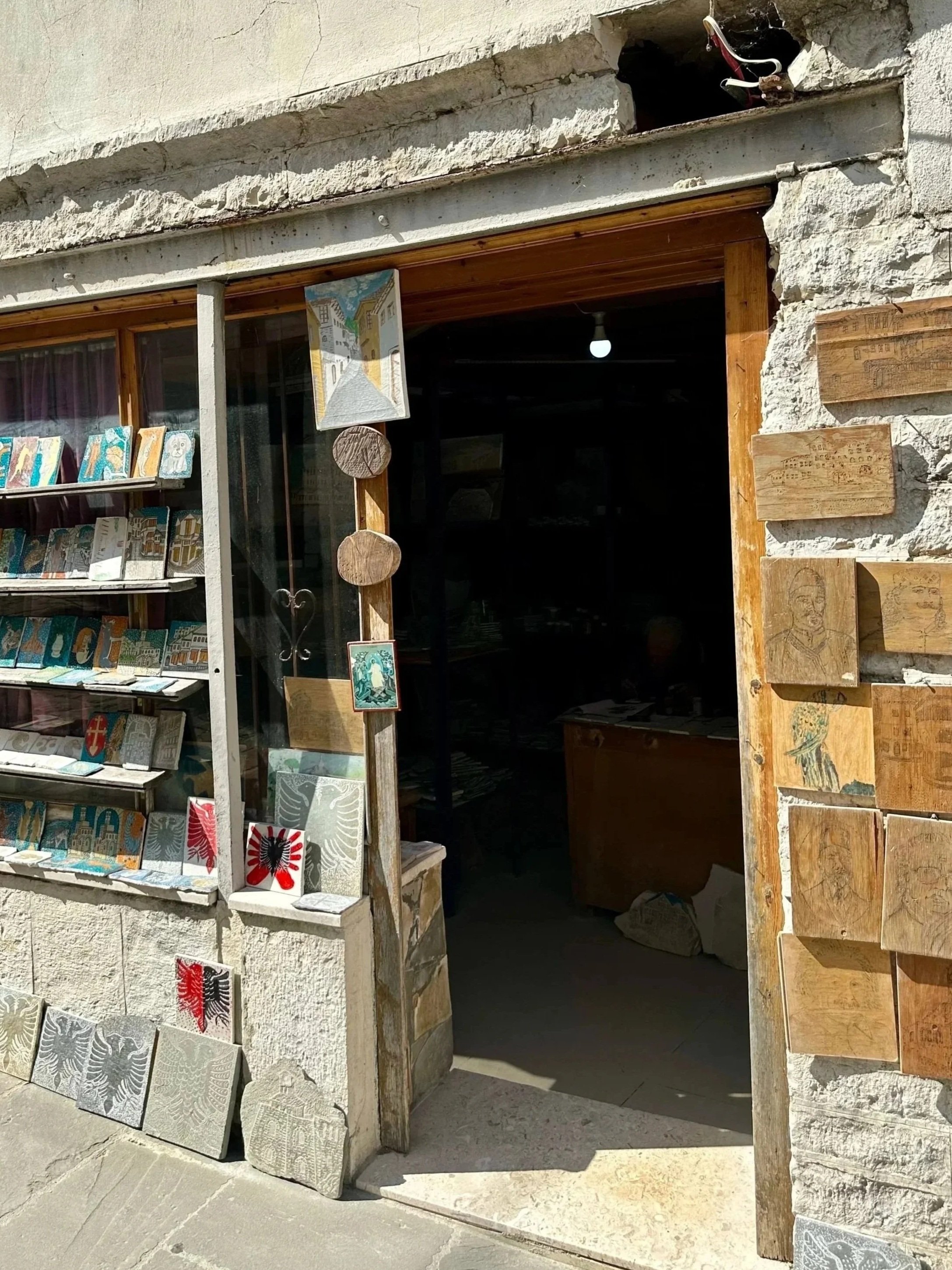
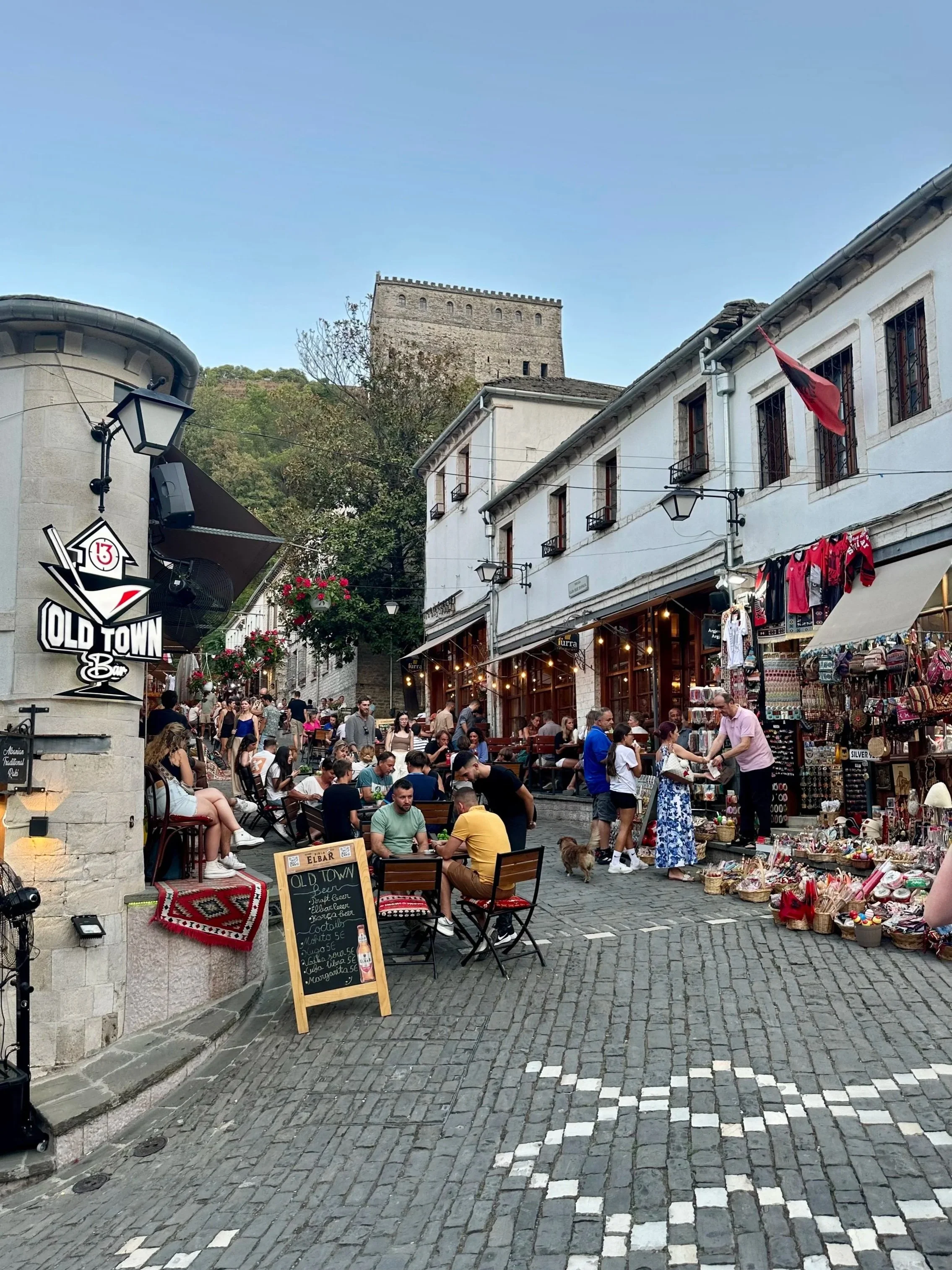
Walking through the old town, you feel generations of living tradition in motion. In the heart of the bazaar, Qafa e Pazarit, storefronts spill onto the cobbled streets and decorative motifs decorate their facades.
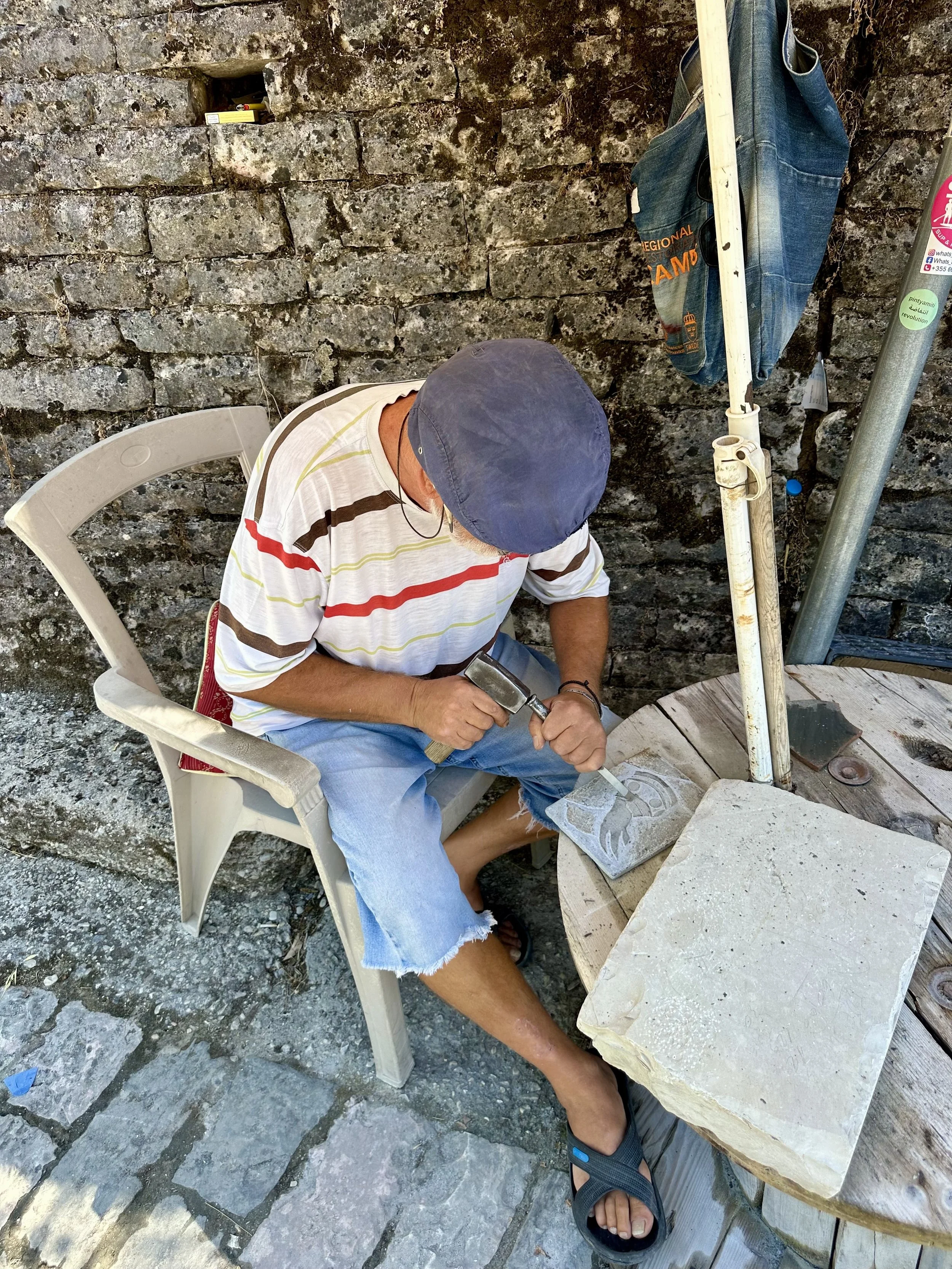
Here, technical skillsets have been passed down for generations from grandfather to father, mother to daughter. Artisans carve stone and shape wood by hand, women crochet and embroider like it’s second nature, moving to a rhythm honed over decades of repetition.
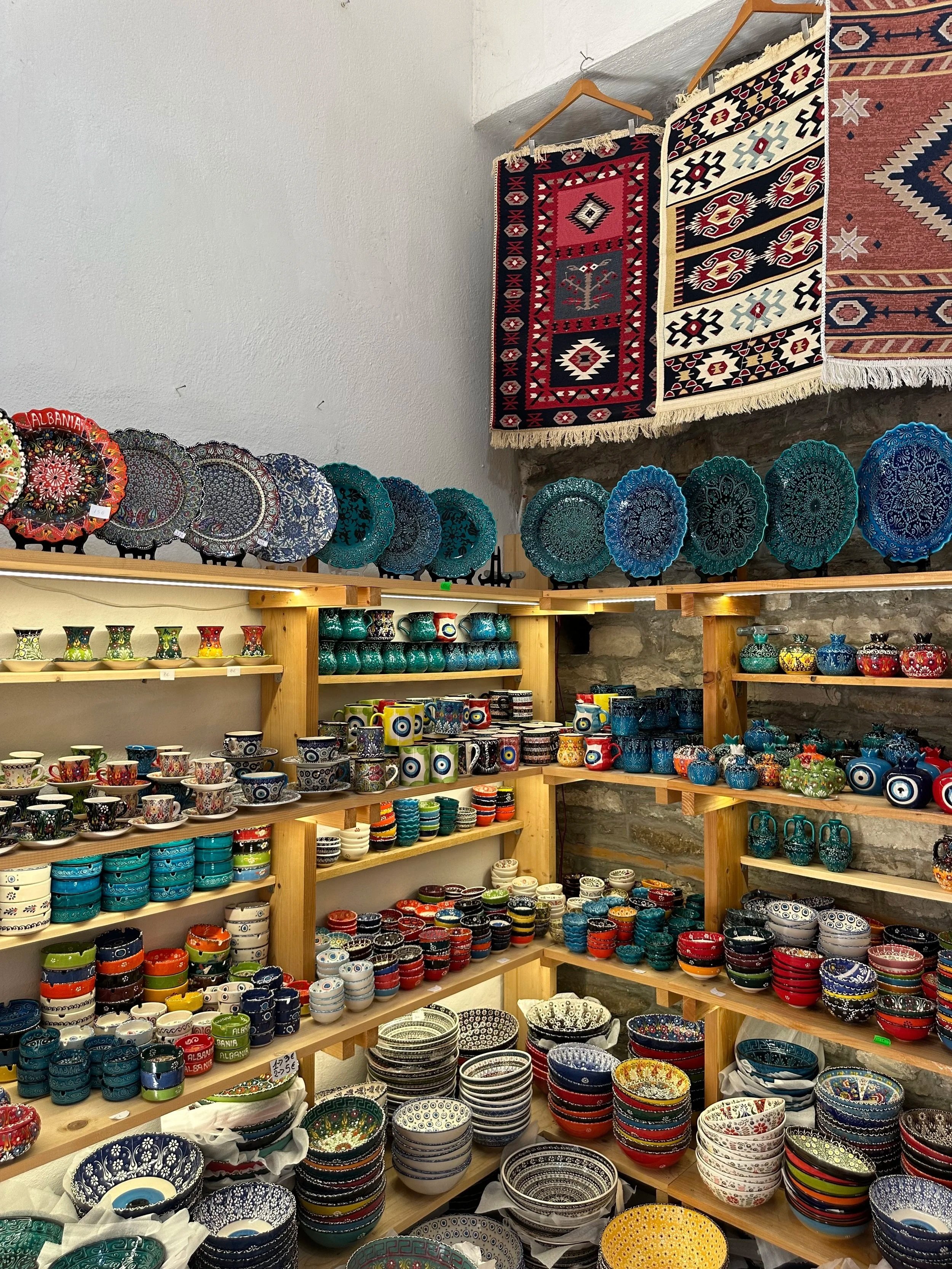
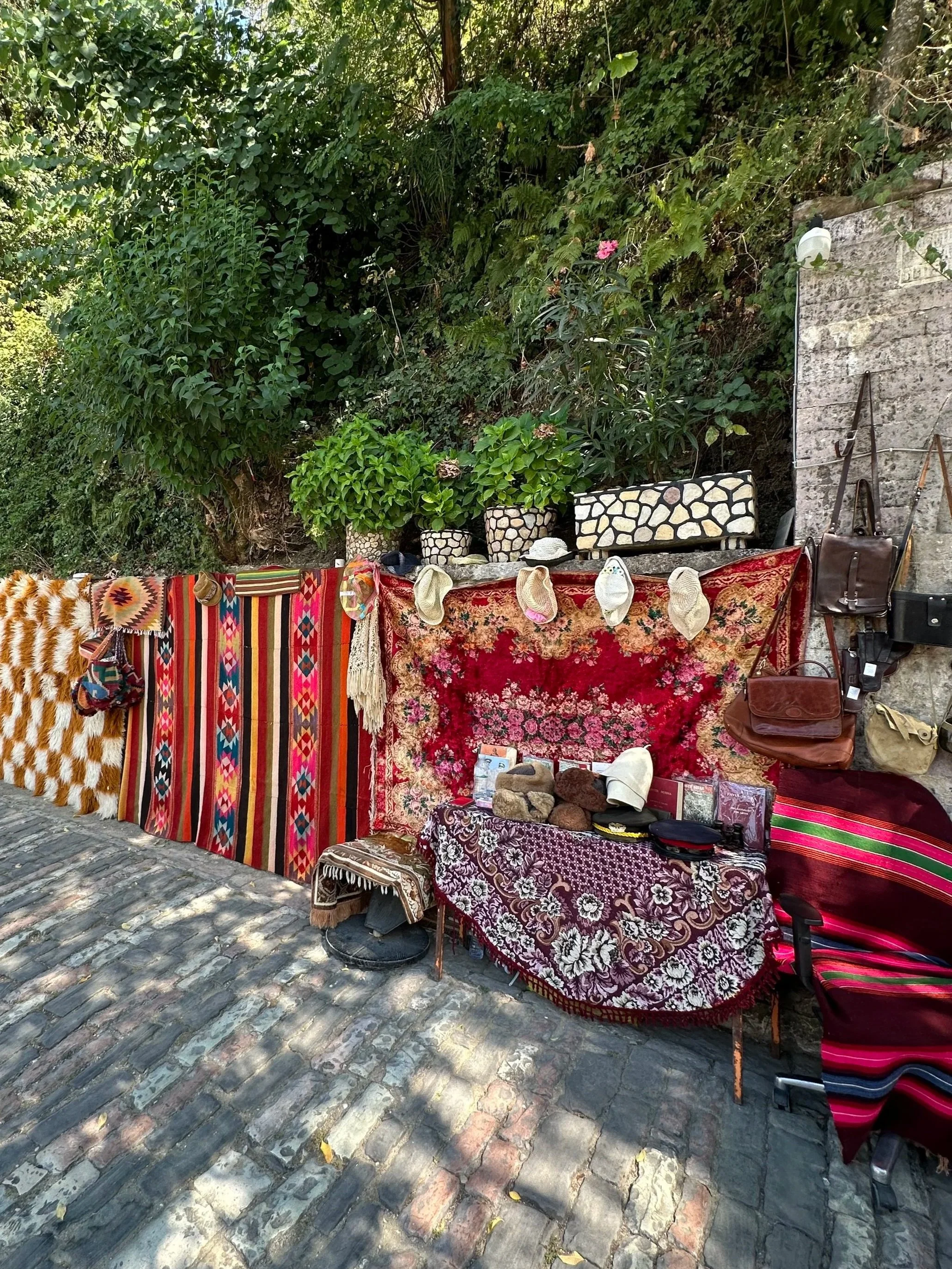
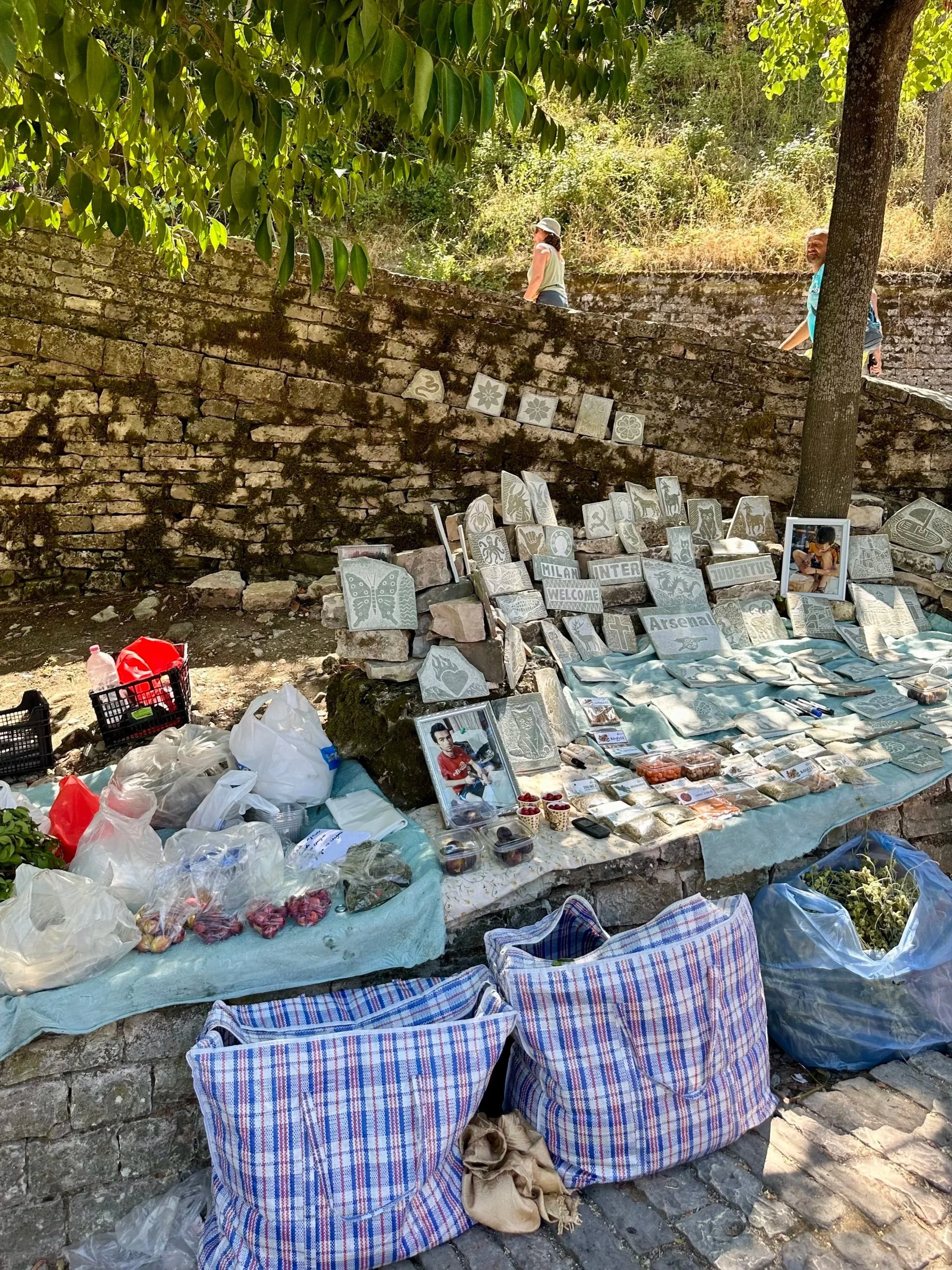
Markets and shops overflow with traditional Albanian pottery, intricate wood carvings, and Ottoman-style rugs in deep reds and indigos. If there is one town in Albania to bring home something meaningful and rooted in heritage, Gjirokastër is the place, where tradition lives quietly, embedded in everyday culture."

INSIDE THE HOME OF ALBANIA’S PAST
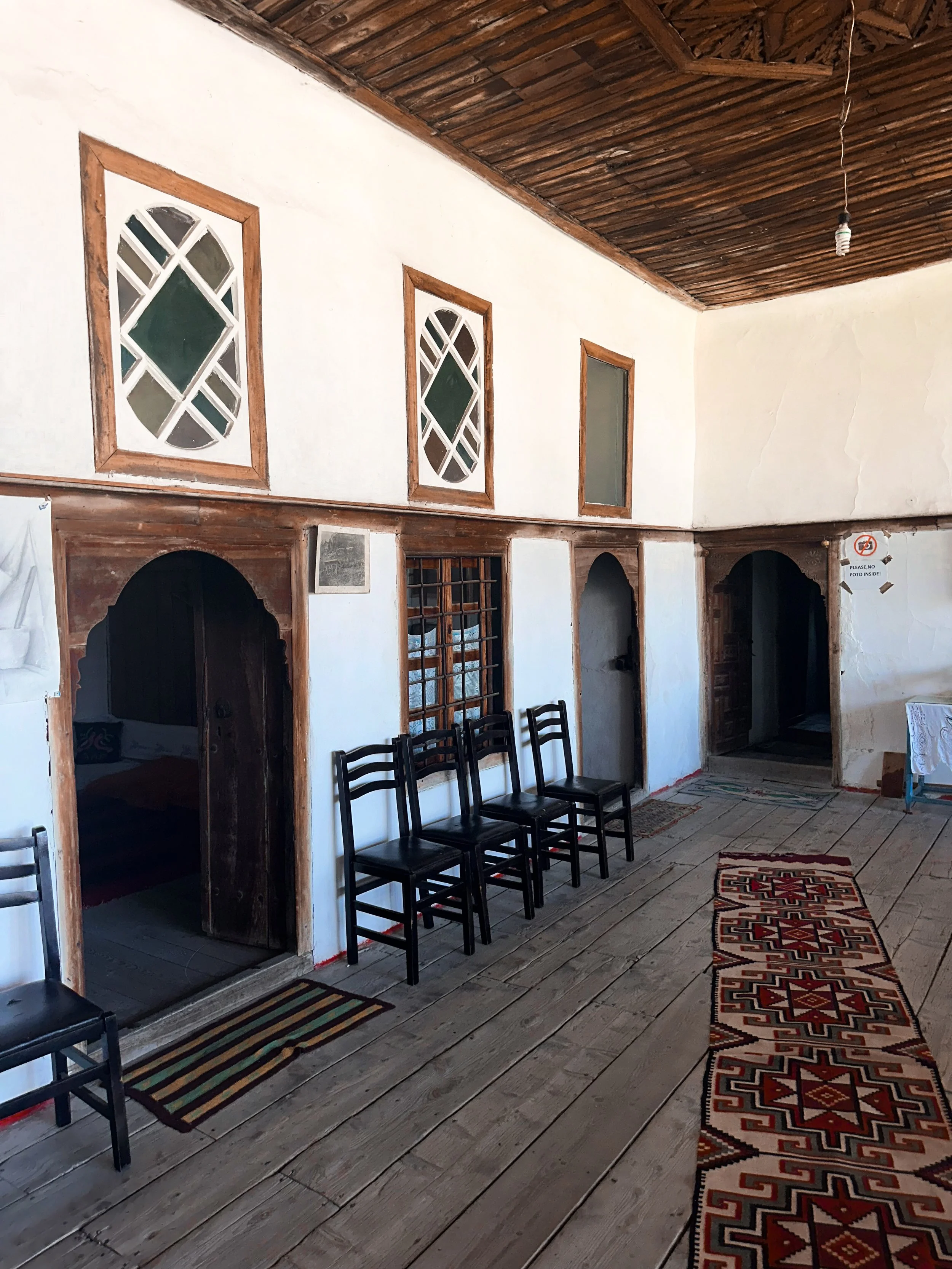
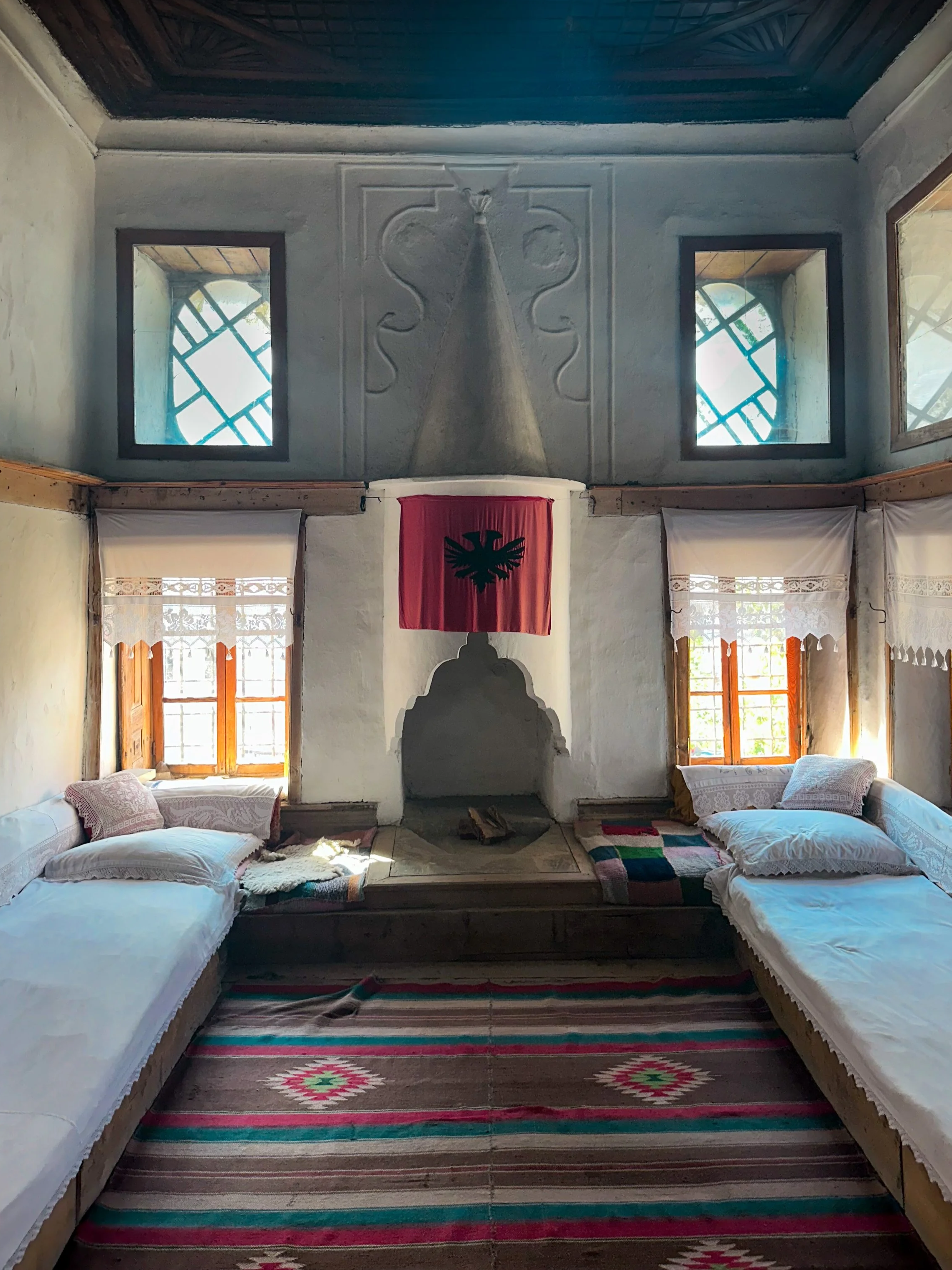
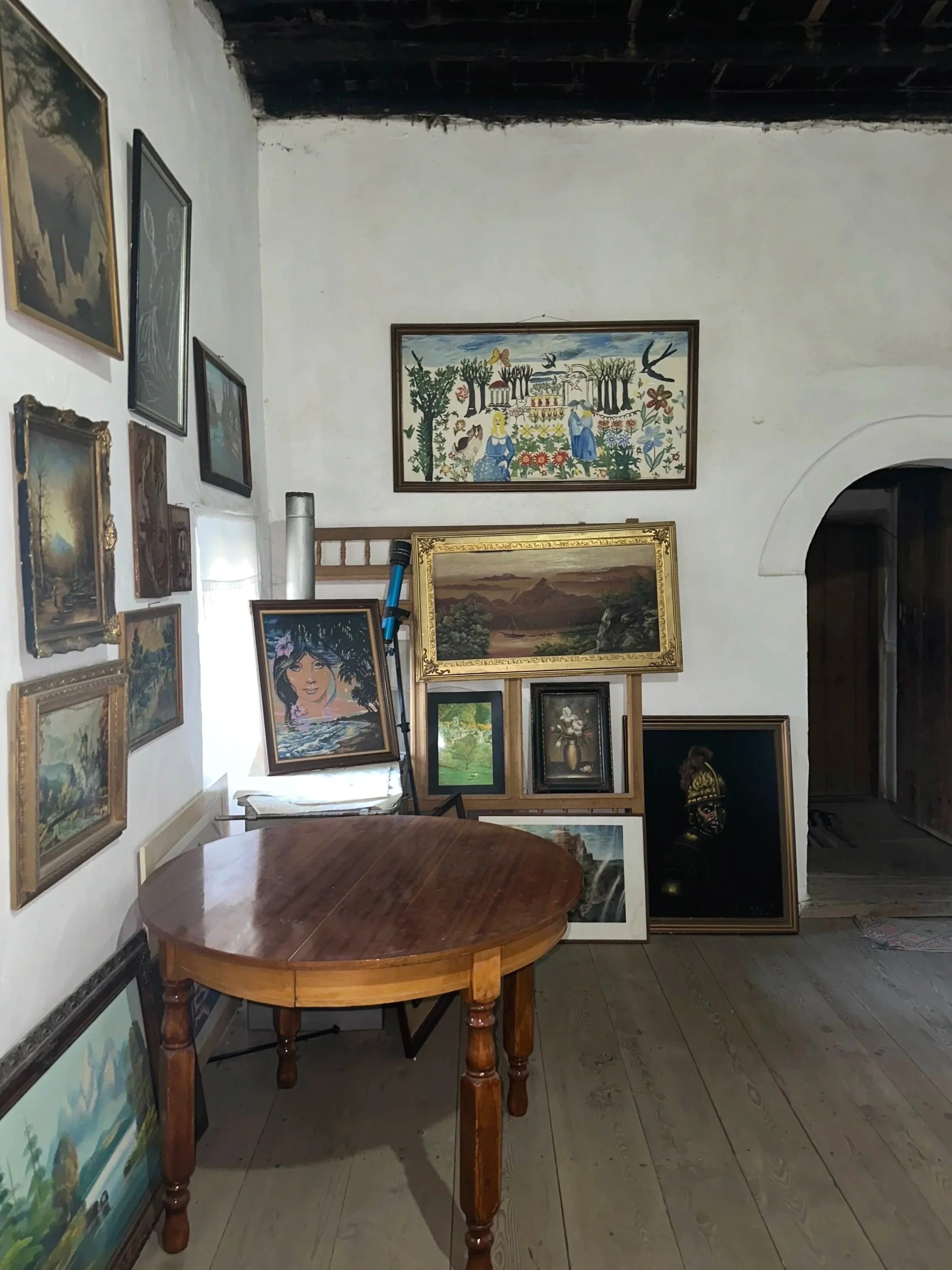
An intimate glimpse into the home of an affluent family during the Ottoman-era, Skenduli House is a masterclass in 19th-century kullë architecture. Built in 1823 as a three-storey fortified family home, it retains its original wooden interiors, textiles and decorative detailing across 12 rooms, 4 hammams and wide wooden balconies overlooking the valley.
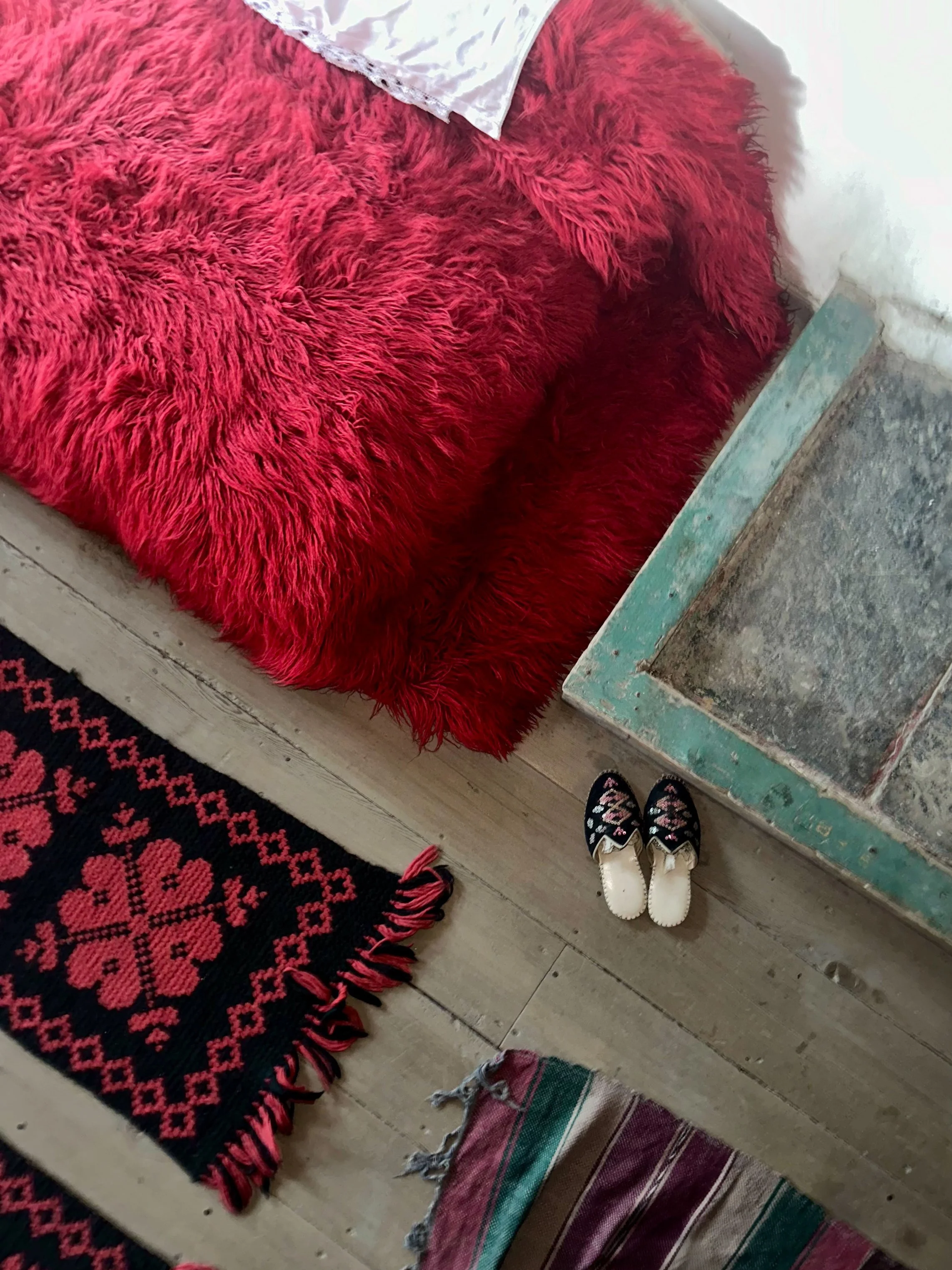
Resembling a small hillside fortress, the house features intricately carved wooden ceilings, a fireplace at the centre of each room, stained glass windows and hand-woven rugs and textiles layered throughout the interior, adding colour to each room.
The house was preserved even through the communist period, offering a rare look into how a wealthy family once lived before political shifts reshaped Albania’s history.
Tip: take the guided tour for deeper cultural exploration. More cultural insight like this at Zekate House, Babameto House and Ethnographic Museum in Gjirokastër.
HIKING TO ALI PASHA BRIDGE & GJIROKASTER BRIDGE
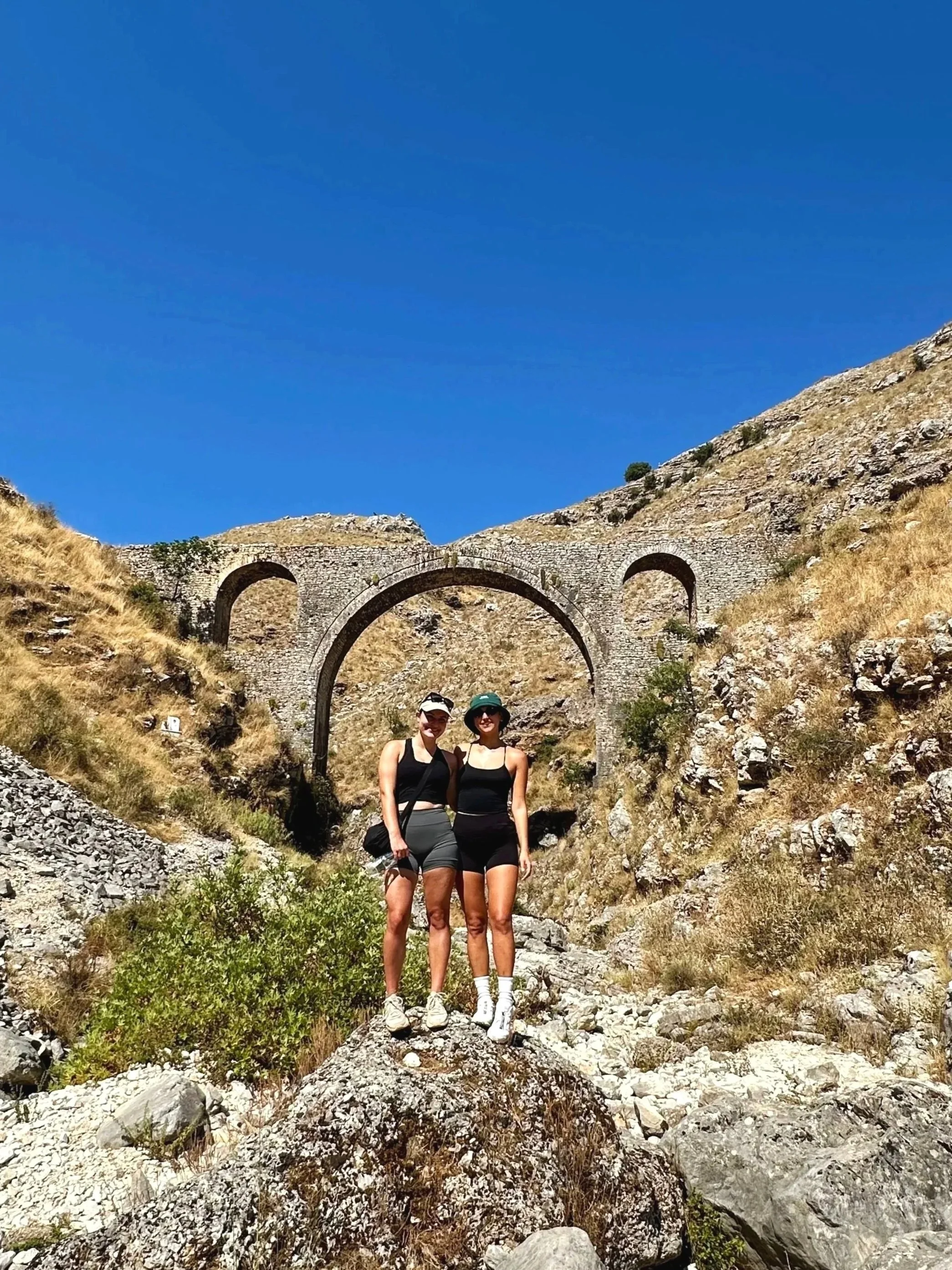
One of the highlights was hiking the trail that winds through open countryside to Ali Pasha Bridge. Built between 1812 and 1813, fragments of the old stone aqueduct emerge from the landscape against the hills. Once a symbol of power and prestige, and engineered to supply water to the castle, it now feels cinematic and quietly forgotten.
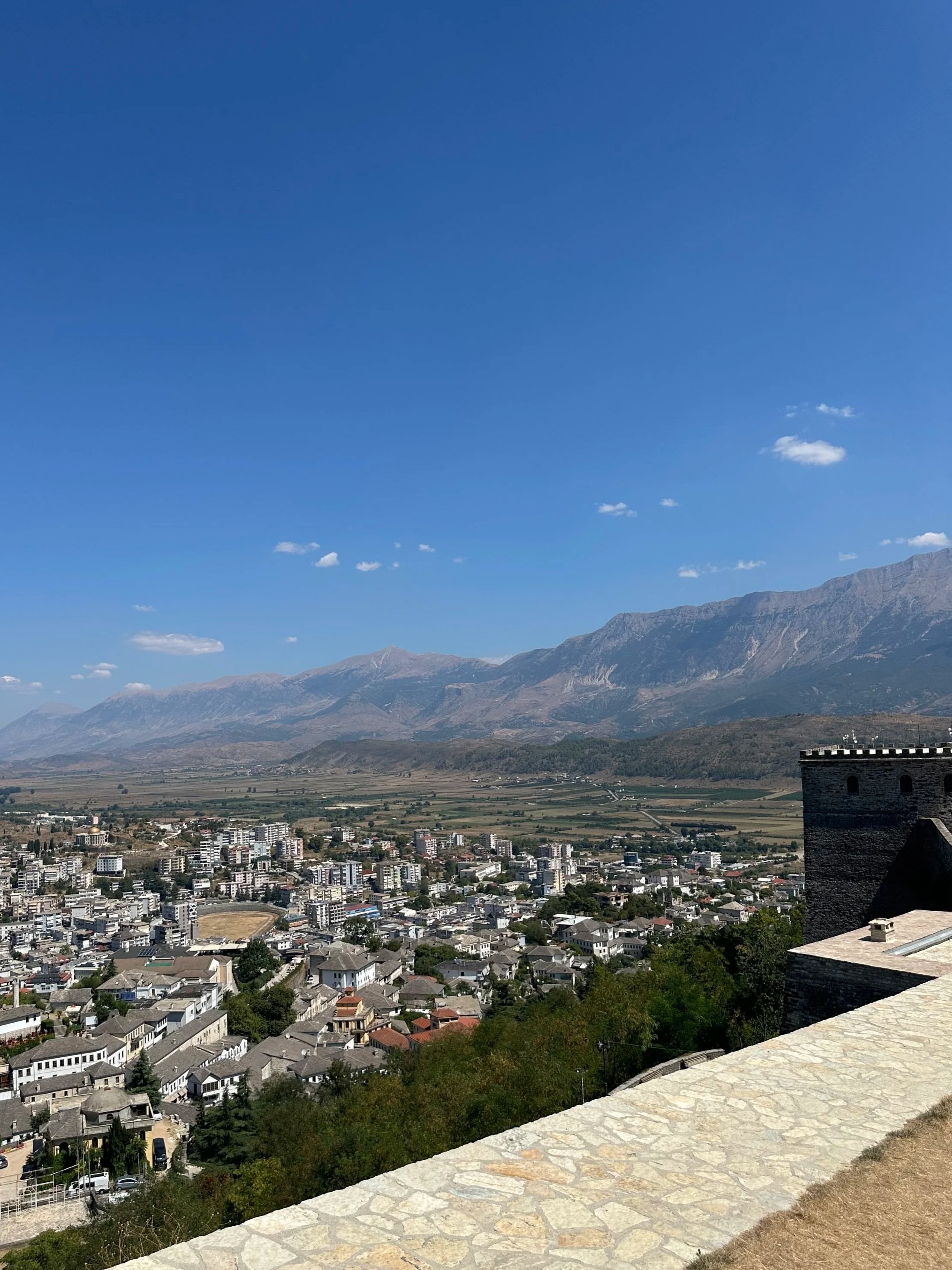
The uphill path continues back toward town, passing Gjirokastër Castle. First constructed in the 12th to 13th century and expanded over time, the fortress was built to protect the city and guard the Drino Valley. From above, rooftops scatter below while panoramic views stretch far beyond the town, the castle acting as a protective anchor deeply rooted in the landscape.
FOOD & CAFE CULTURE
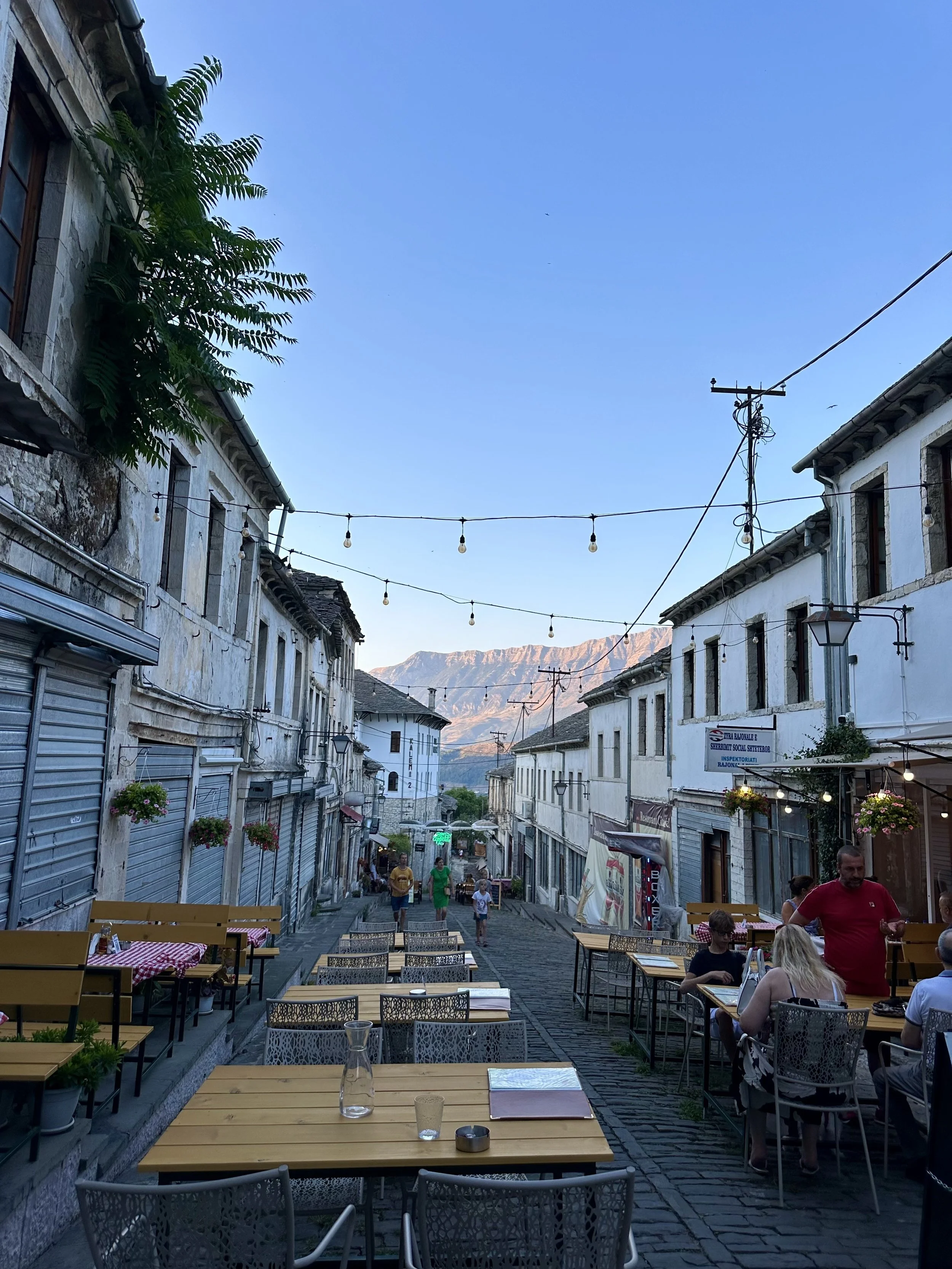
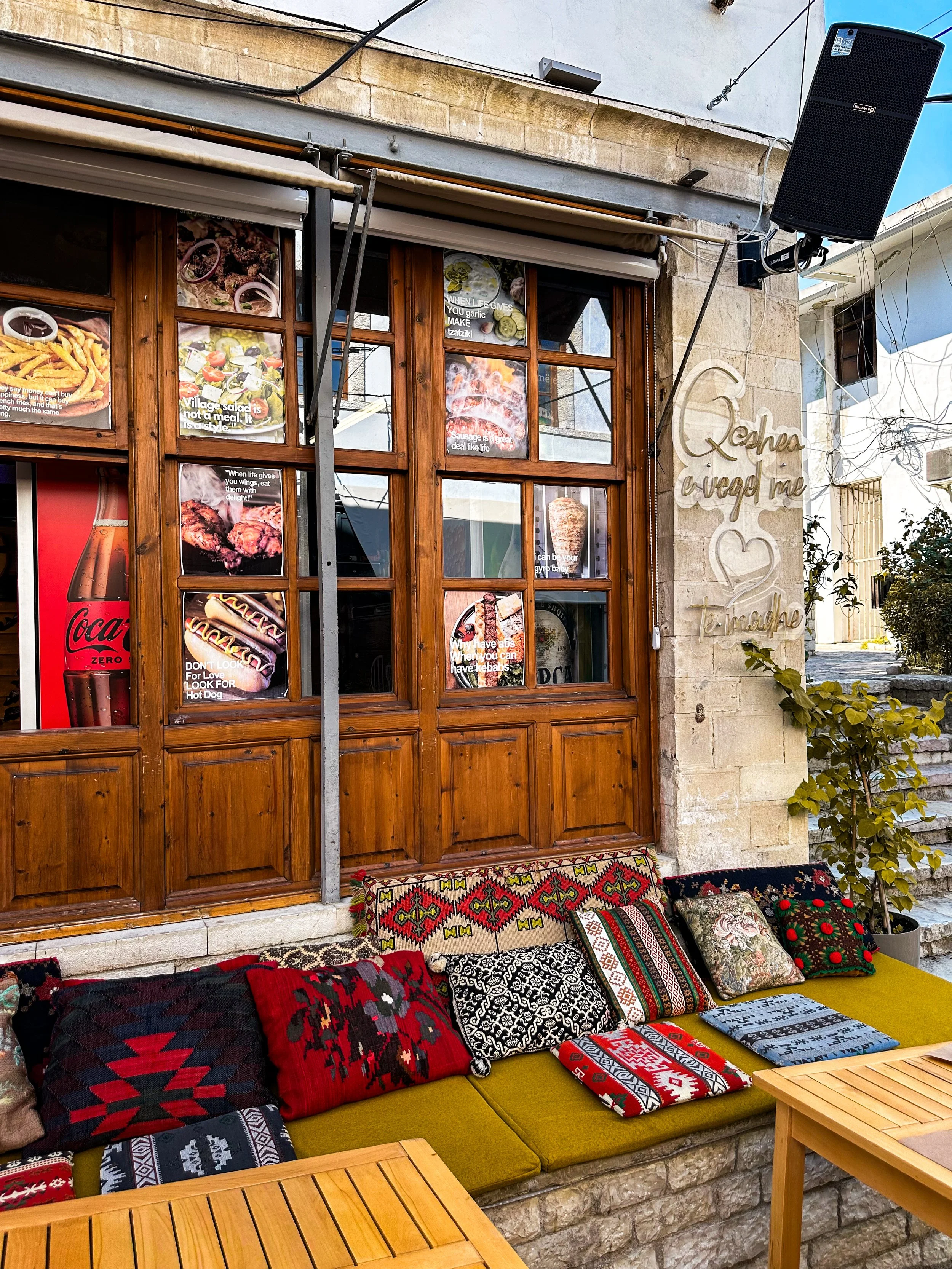
Cafe culture is woven into daily life where small tables spill onto cobbled streets and locals and travellers linger for hours over espresso or wine, watching the streetscape unfold.
Traditional Dishes To Try
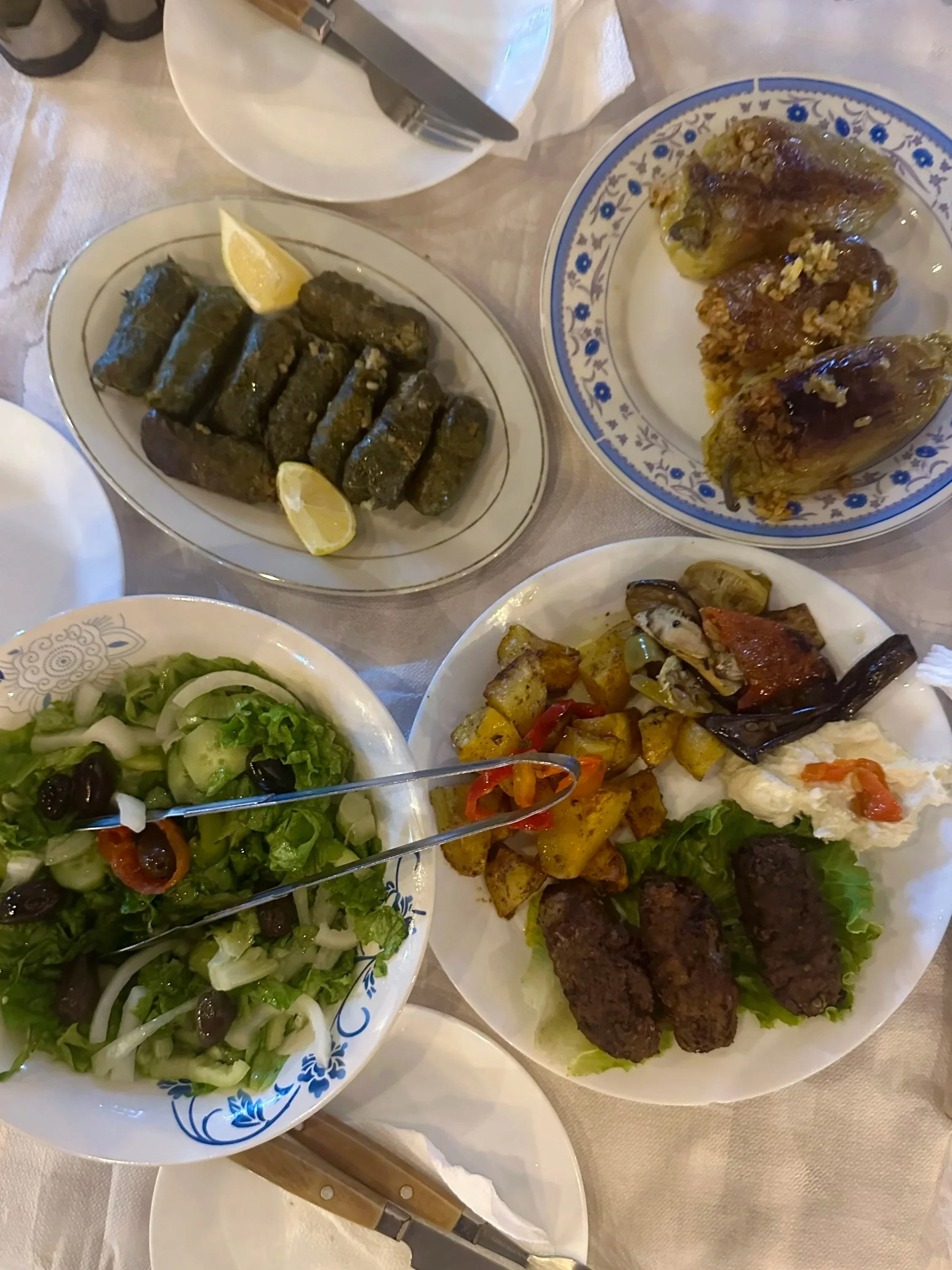
Qifqi – Gjirokastër’s signature rice balls, flavoured with herbs and lightly fried
Tavë Kosi – baked lamb with yoghurt and egg
Byrek – flaky pastry filled with spinach, cheese or meat
Speca të Mbushura – stuffed peppers with rice and herbs
Baklava – rich, syrup-soaked pastry layered with nuts
Local Spots For Traditional Food
WHERE TO STAY AND HOW LONG TO SPEND?
I stayed in the old town at Cico Hostel, a sweet, family-owned stay perched high on the hillside. Its position made it easy to wander the cobbled streets while always returning to views across the layered stone rooftops.
I’d recommend booking somewhere with a balcony or rooftop. In summer, as the heat softens and the town begins to glow, sitting above it all becomes part of the experience.
If you’re planning your time here, I recommend two nights. It’s enough to immerse yourself in the rhythm of the city without feeling rushed.