
A GUIDE TO SRI LANKA’S ARCHITECTURE AND DESIGN
A GUIDE TO SRI LANKA’S ARCHITECTURE AND DESIGN
for the design lovers.
Sri Lanka is a living design archive — one where architecture, landscape, and ritual move as one. Shaped by spirituality, ancient kingdoms, layered histories, and tropical modernism, Sri Lanka’s design language is deeply rooted, intentional and perennial. Here, harmony is favoured over statement, craft over spectacle, and design is not preserved in isolation, but lived, quietly woven into everyday life.
WHY SRI LANKA’S DESIGN IDENTITY IS SO RICH
Sri Lanka’s design intelligence lies in its mastery of adaptive architecture. Buildings breathe with monsoons, courtyards invite cross-ventilation, and structures are crafted from local materials that age gracefully with the landscape.
Its aesthetic is shaped by layered influences: Buddhist principles of balance and repetition creating meditative rhythm, colonial verandas softening light and heat, and indigenous stilted forms responding intuitively to flood-prone terrain. Refined over centuries, the island’s architecture has been shaped by climate and landscape
Materiality defines the island’s visual language with exposed timber, hand-hewn stone, and clay tiles that patina beautifully in tropical humidity. Here, design is never about excess. Every space, material, and detail exists with intention, in quiet dialogue with environment, ritual, and memory.
THE DAMBULLA CAVE TEMPLE
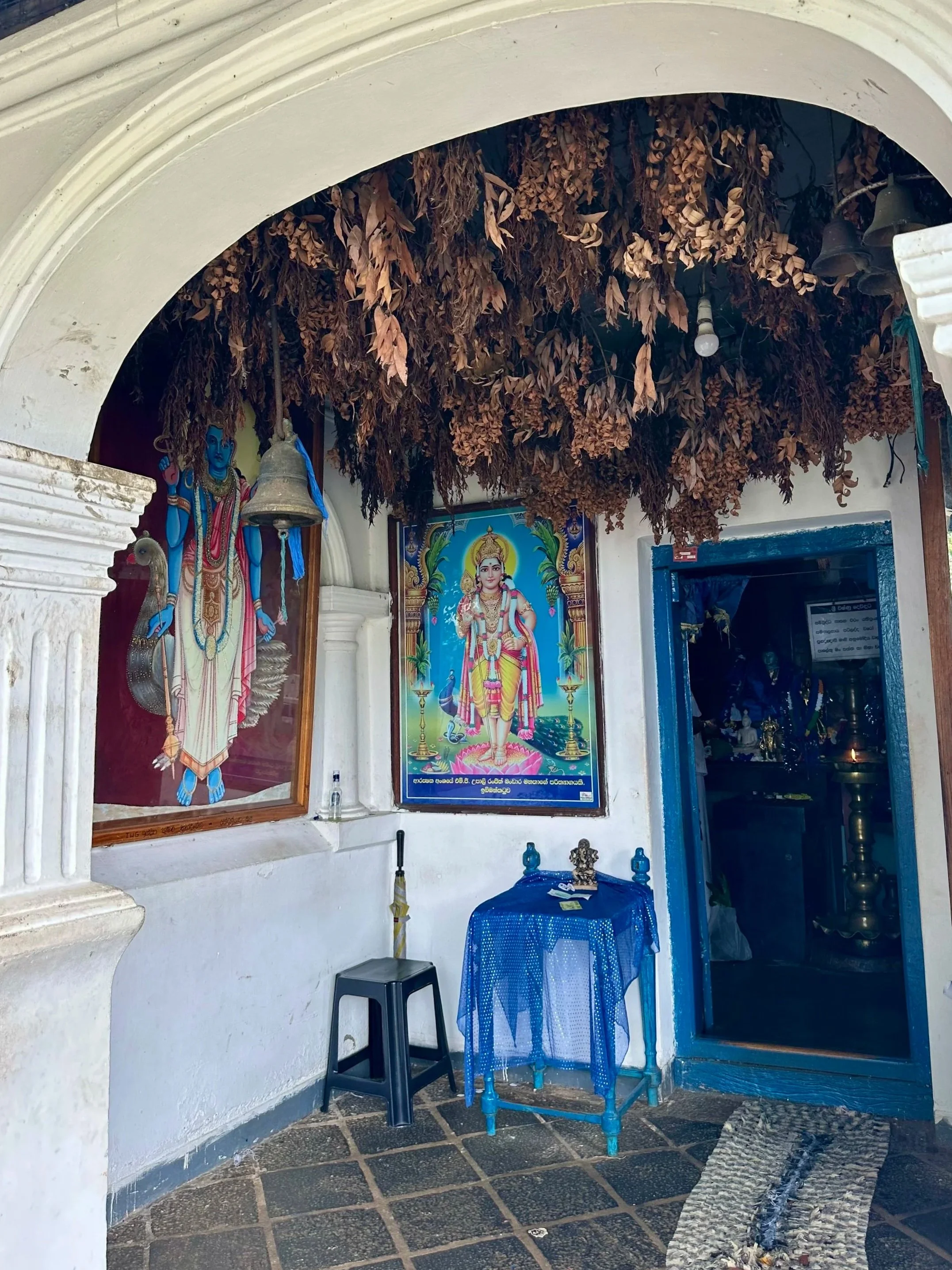
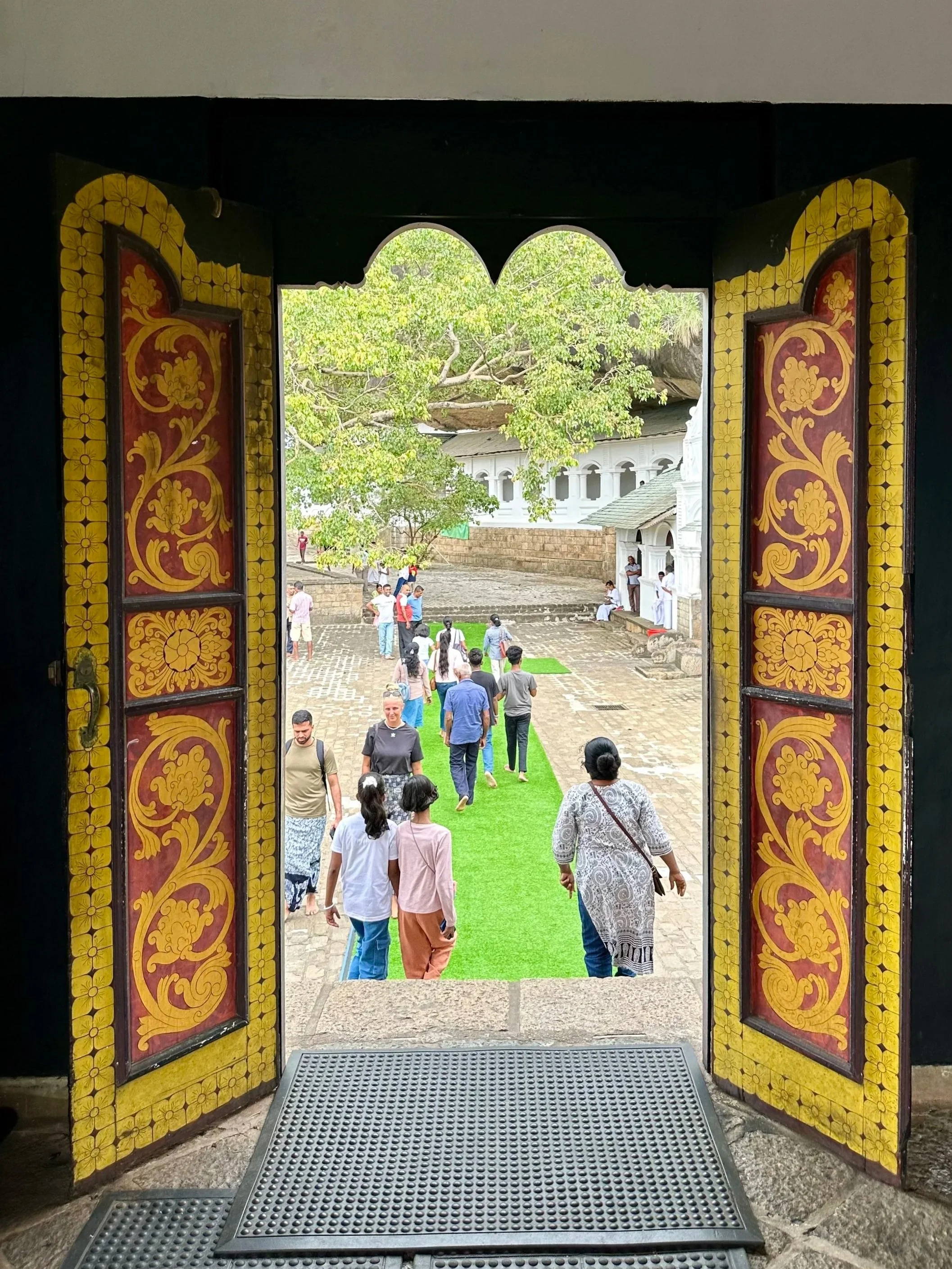
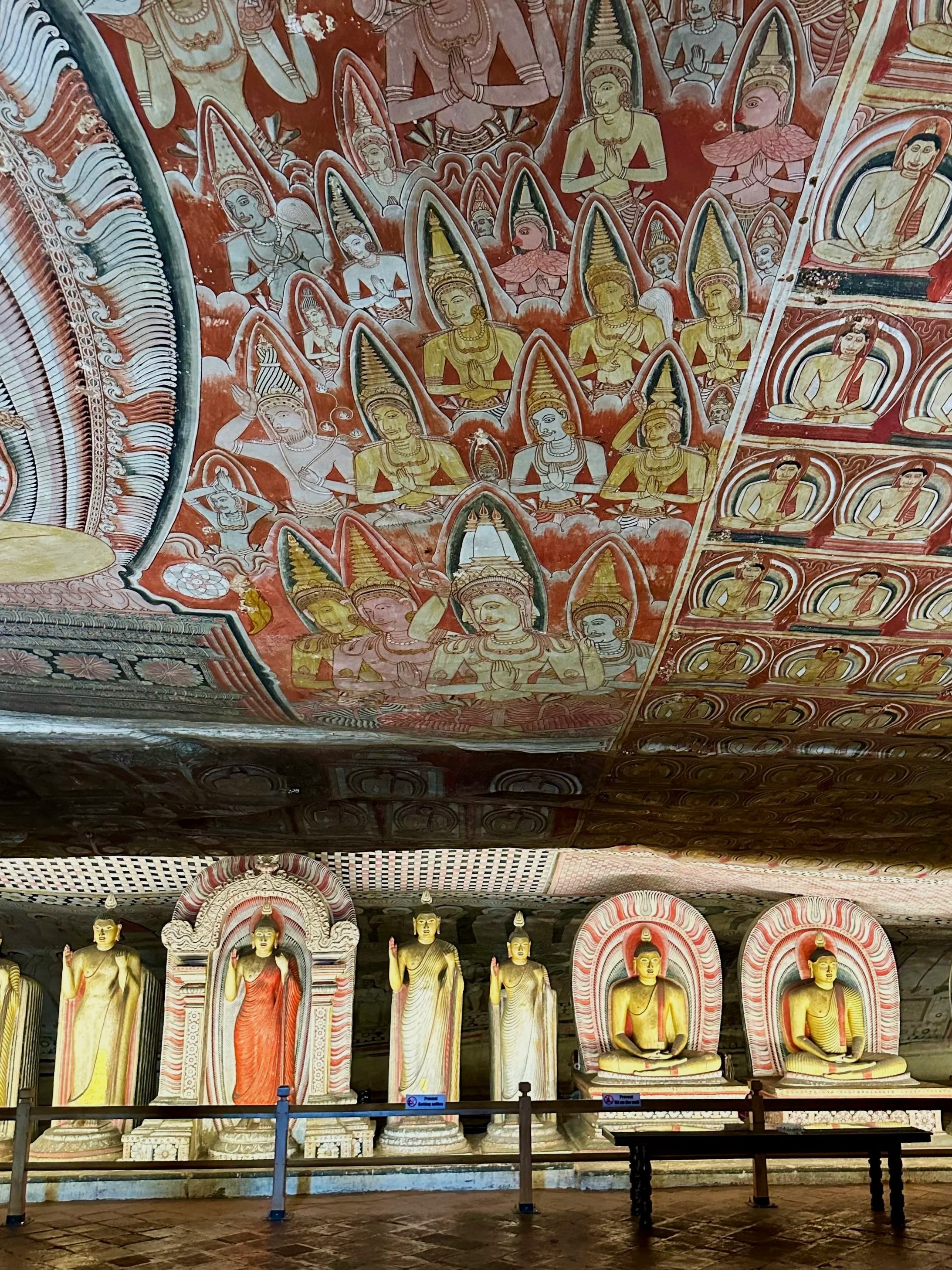
Where art and architecture converge through devotion, the Dambulla Cave Temple stands as one of Sri Lanka’s most enduring design legacies. Perched 160 metres above the plains, the Buddhist complex comprises five interior caves carved entirely from solid rock over 2,000 years ago. Each cave is intentionally shaped and spatially composed, housing more than 150 Buddha statues carefully positioned within the natural rock interiors.
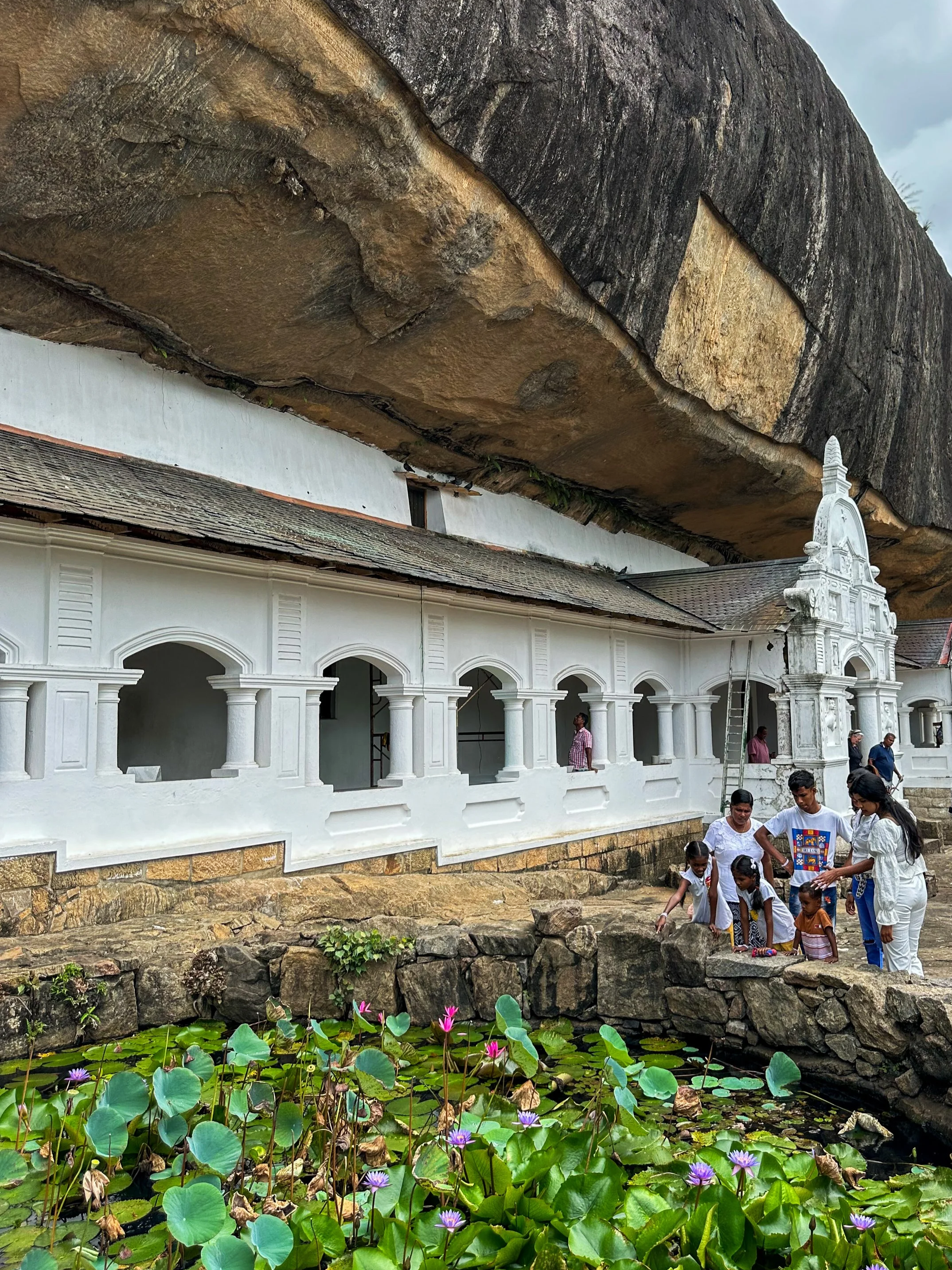
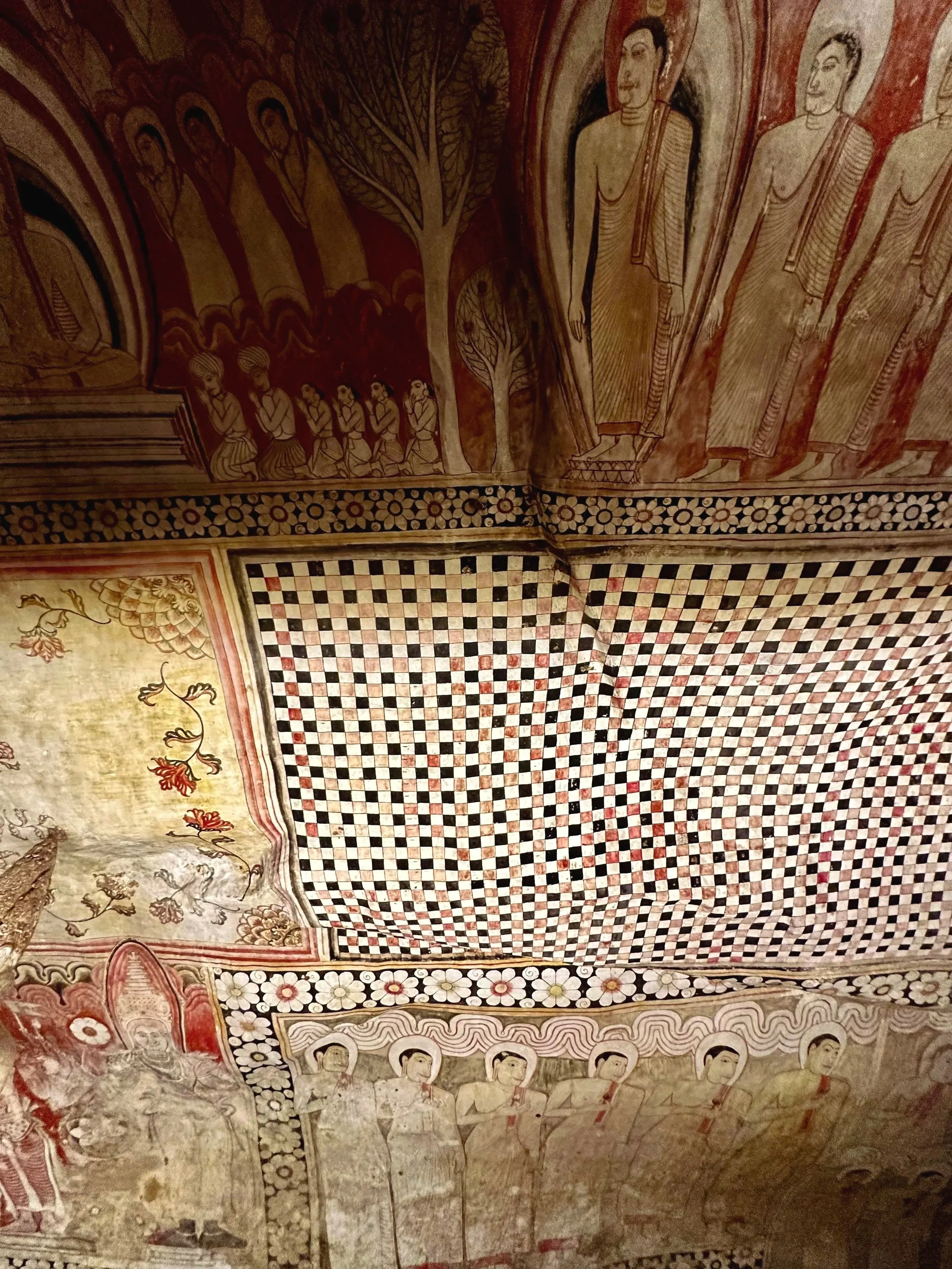
Inside, wall-to-ceiling hand-painted frescoes span over 2,100 square metres, unfolding in vivid pigments, intricate patterns, and layered visual storytelling. The paintings follow the caves’ organic contours, transforming raw stone into framed alcoves and vaulted ceilings. Each interior carries its own rhythm, inviting stillness and reverence within a space that feels timelessly preserved.
For me, the Dambulla Cave Temple was one of the highlights of my trip. It’s like nothing I’d ever seen before, from the location and height to the sheer detailing of the frescoes and its visual beauty. I was left in awe by it.
SIGIRYA: THE ANCIENT PRECURSOR TO LANDSCAPE ARCHITECTURE
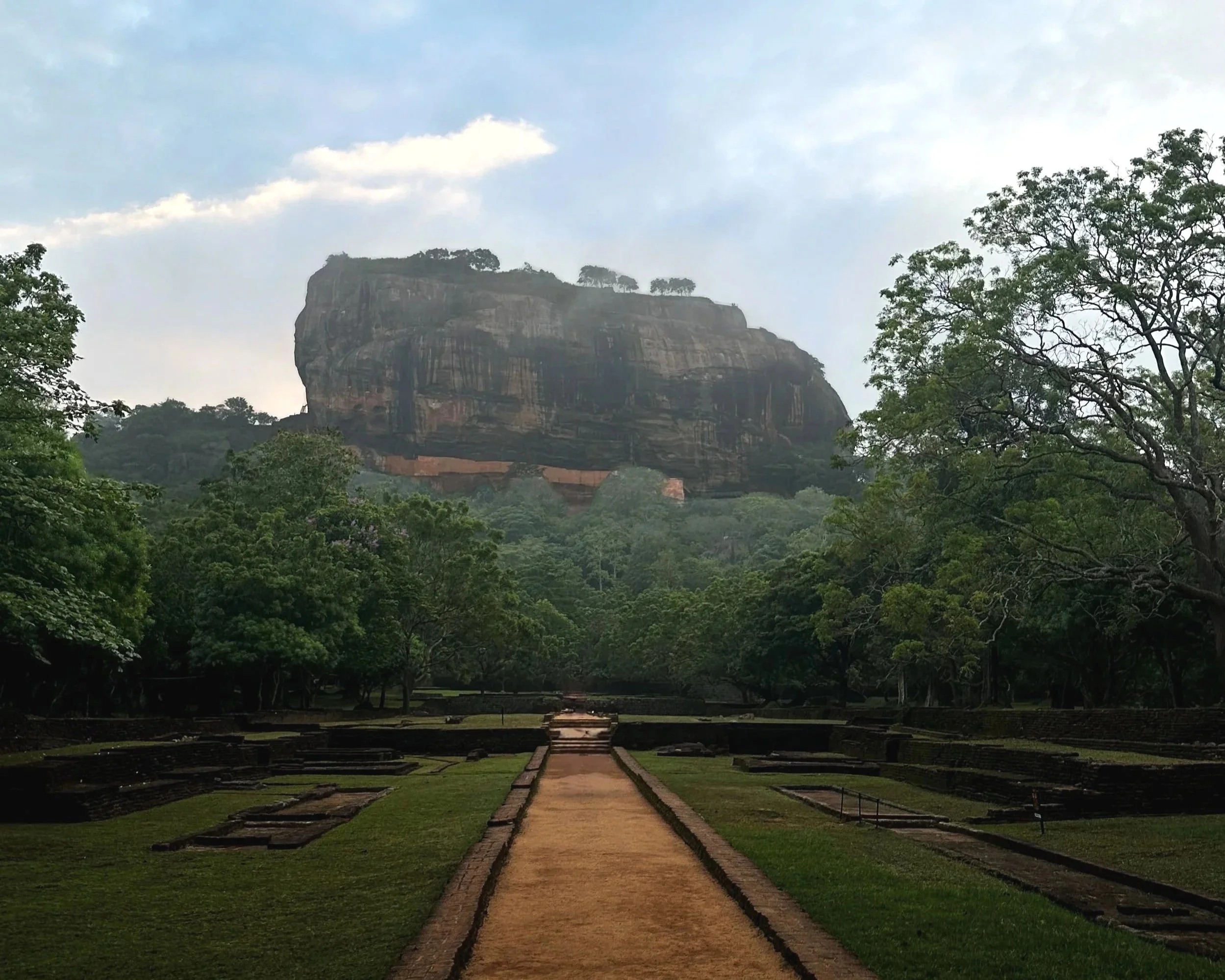
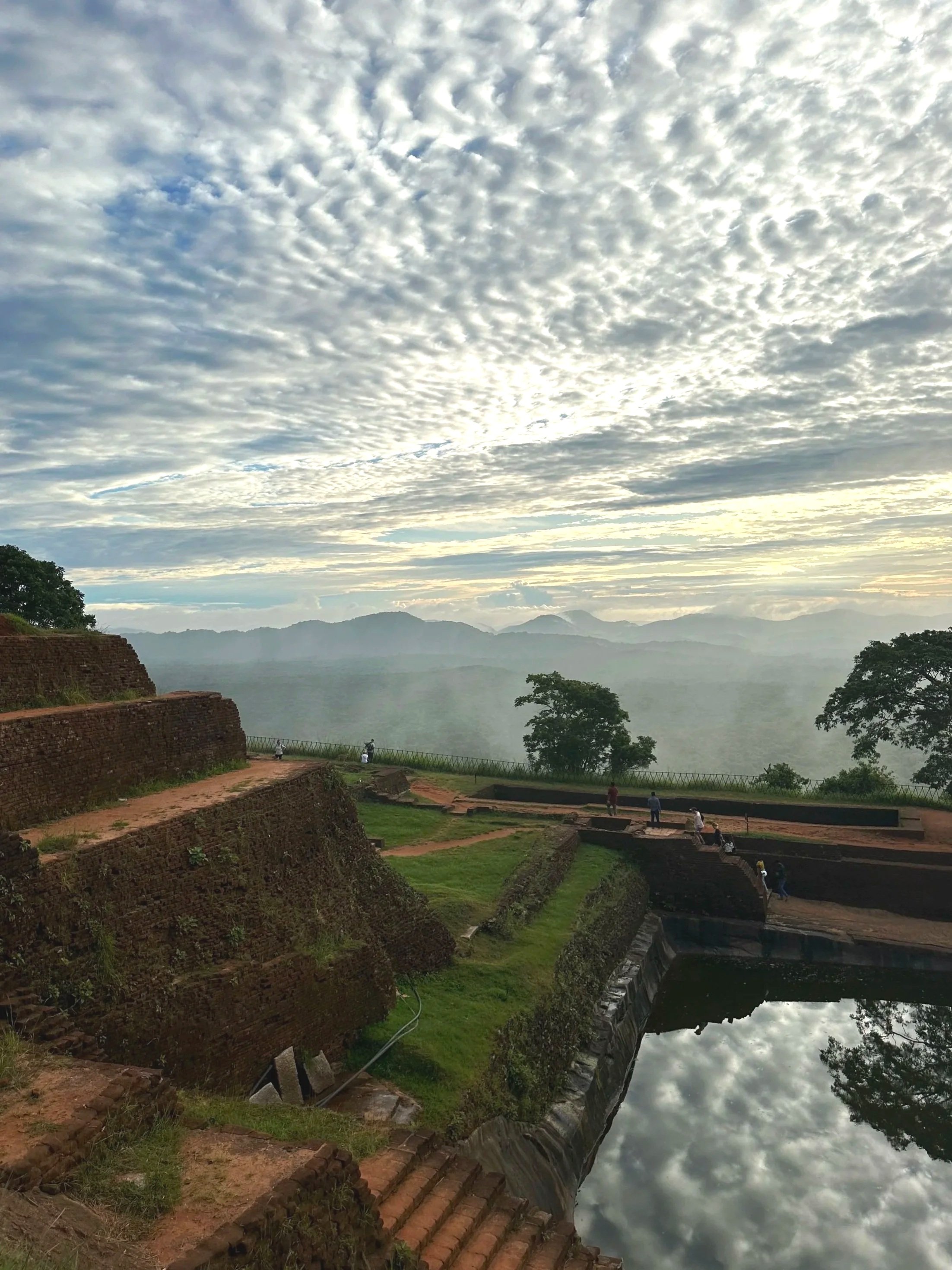
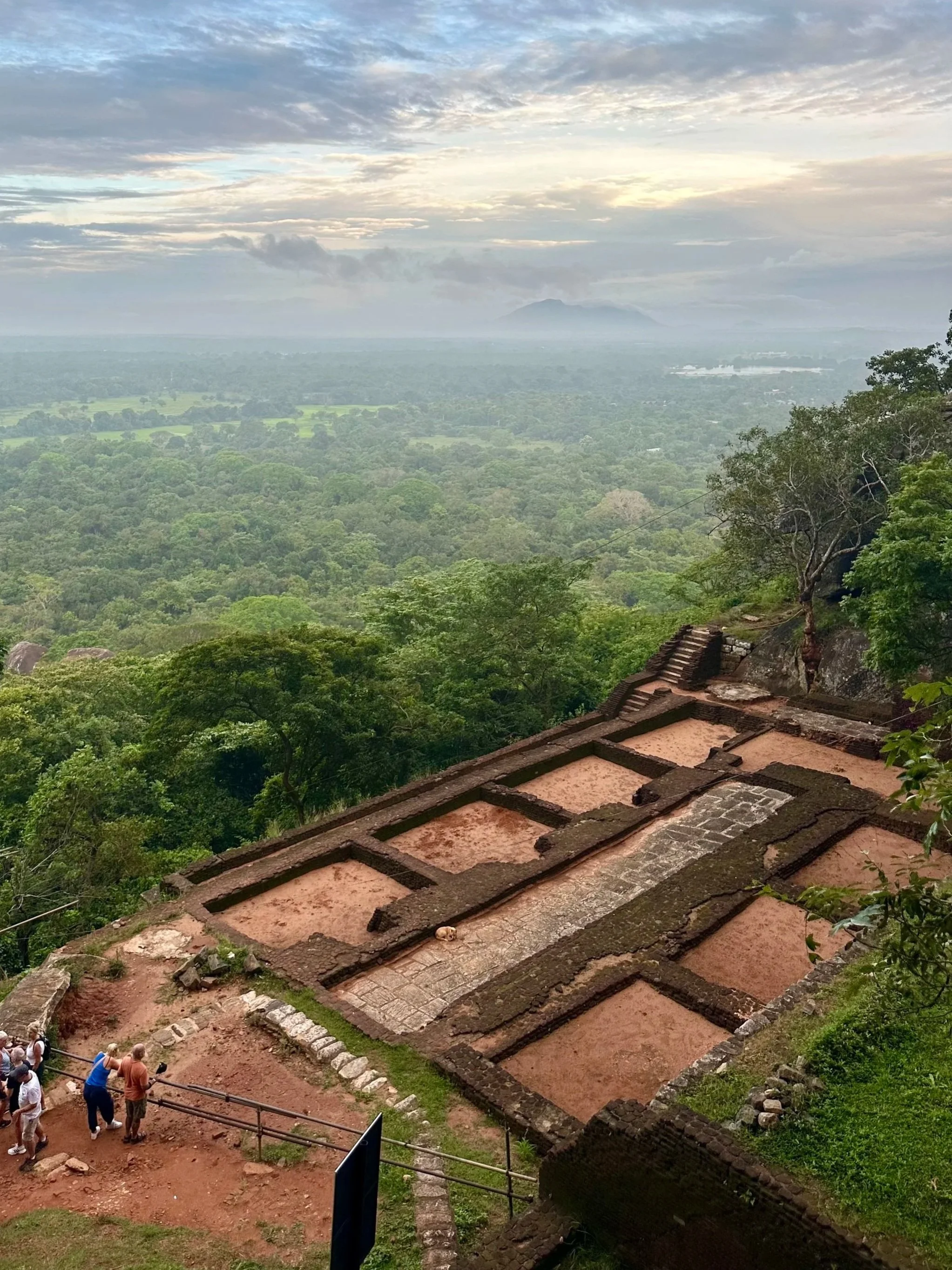
Built in the 5th century under the rule of King Kashyapa, Sigiriya rises more than 200 meters above the plains — a sophisticated palace fortress astonishingly ahead of its time. At its base, the city unfolds through symmetrical water gardens, boulder gardens, and terraced landscapes, all connected by advanced hydraulic systems that once powered fountains and reflective pools.
The palace itself was shaped around a monumental lion, with the remaining stone paws still guarding the stairway to the summit. Walking through Sigiriya today, it’s surreal to imagine the palace at the height of its time — a royal city later abandoned, yet remarkably preserved. High on the rock face, frescoes of celestial apsaras remain, floating above the famed Mirror Wall, which was originally polished to reflect the king’s image long before mirrors existed, and later became etched with poetry.
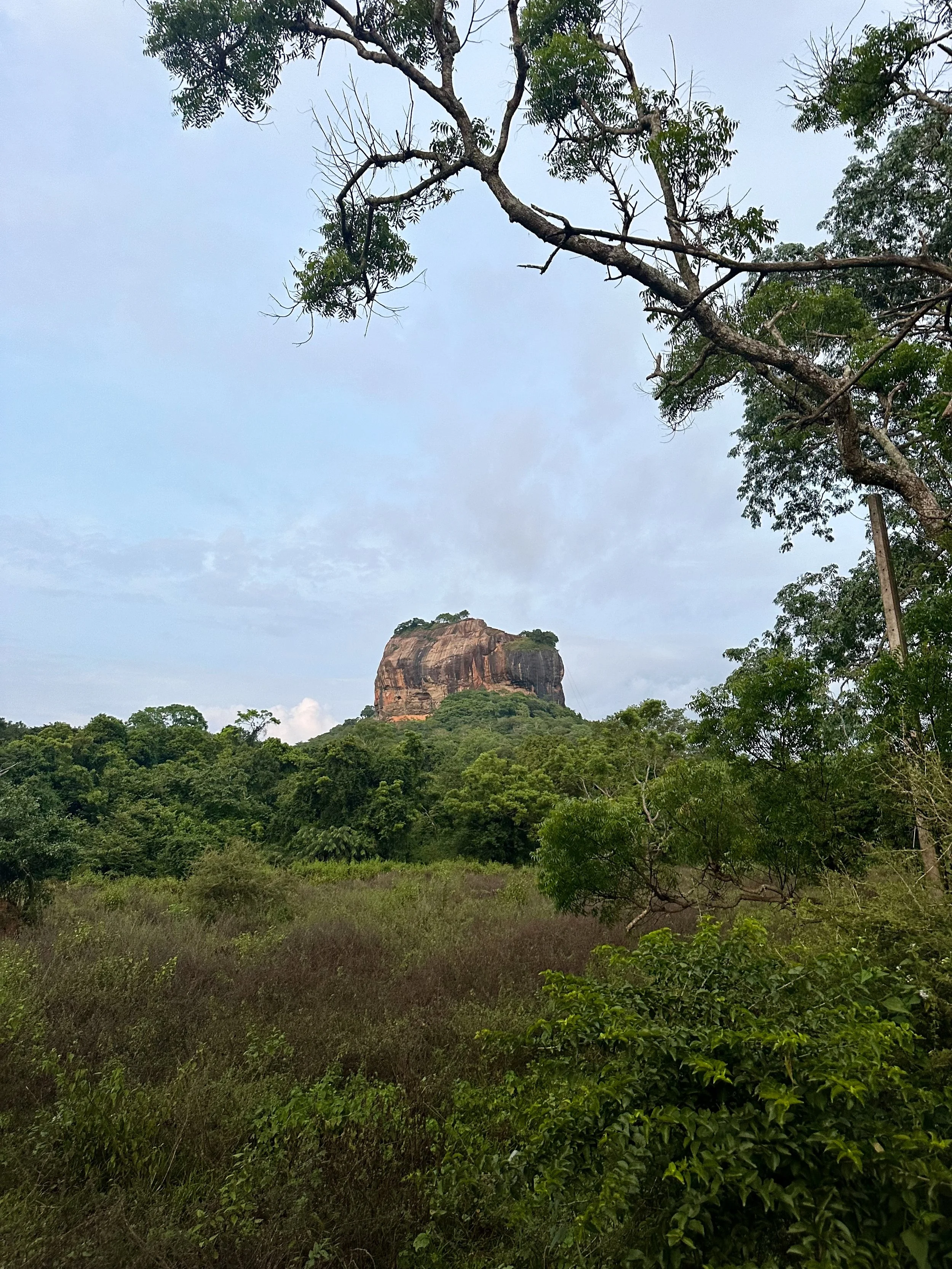
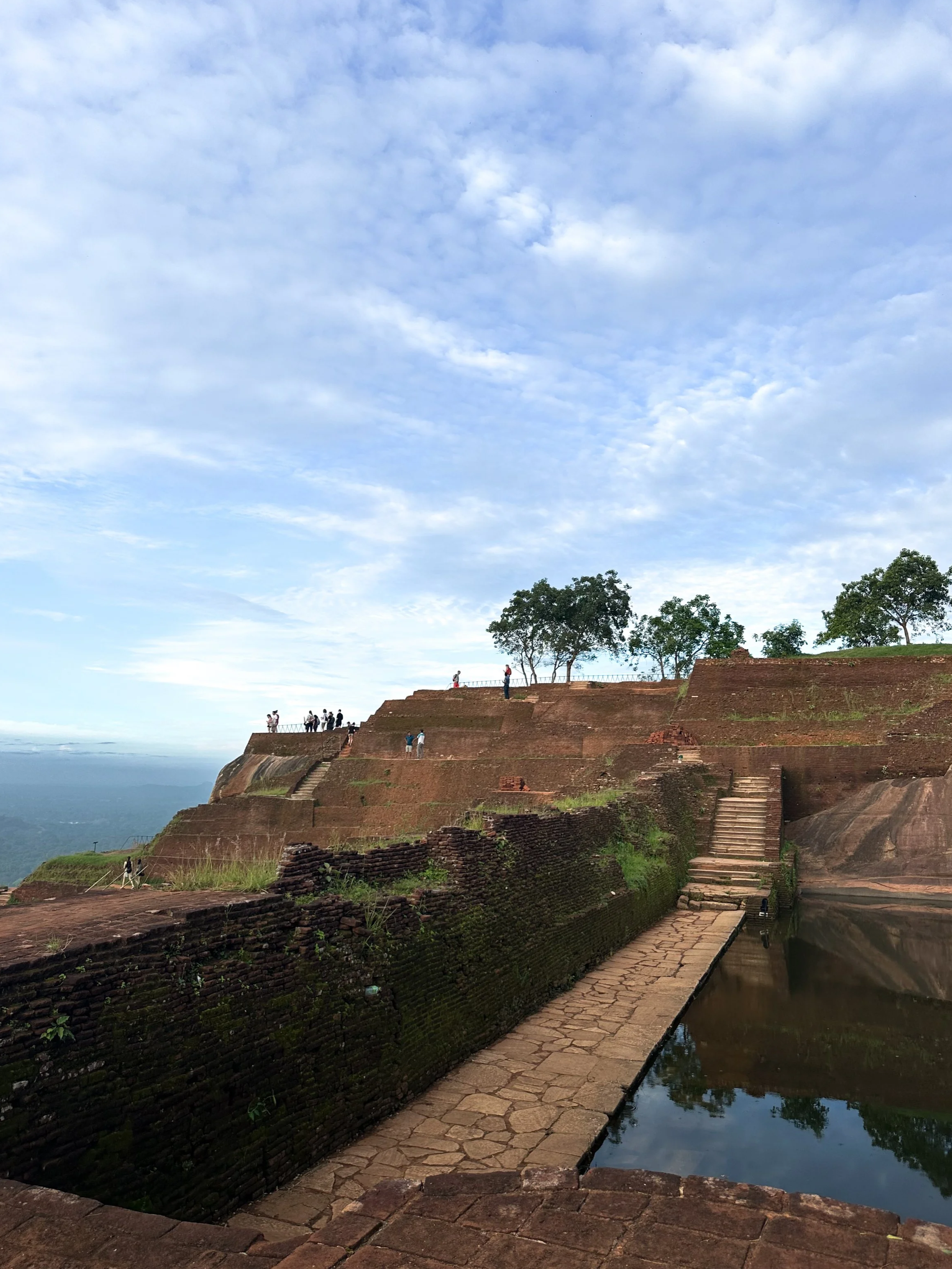
Sigiriya’s brilliance lies in its balance. Architecture is softened by the landscape, carefully engineered to work with seasonal rain and shifting climate. The site feels timeless, revealing just how considered and advanced this thinking was. Even the views were intentionally designed where pathways aligned to frame distant mountain peaks, turning the surrounding landscape into a carefully composed panorama.
GALLE FORT — COLONIAL FACADES, CONTEMPORARY SOUL
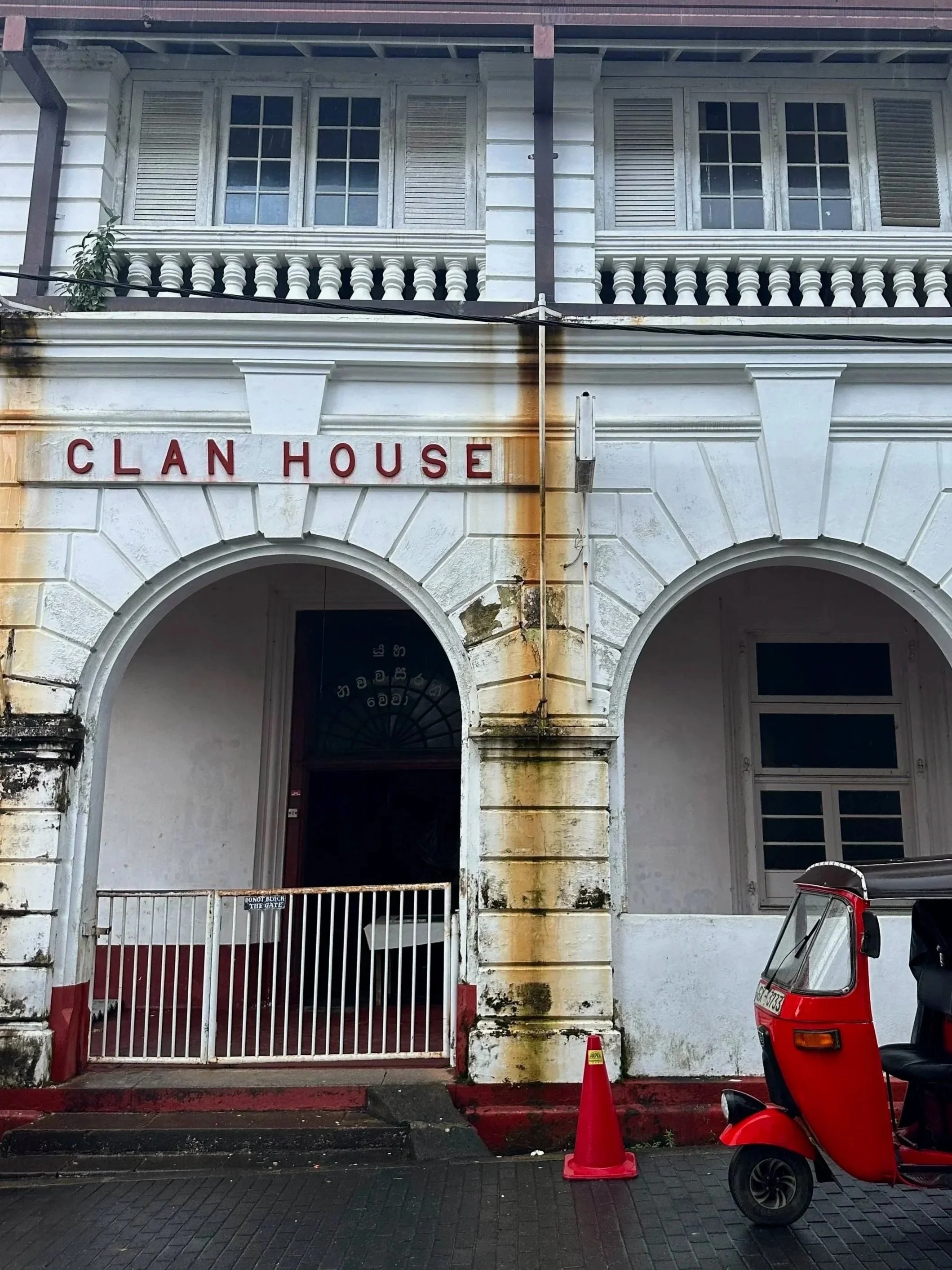
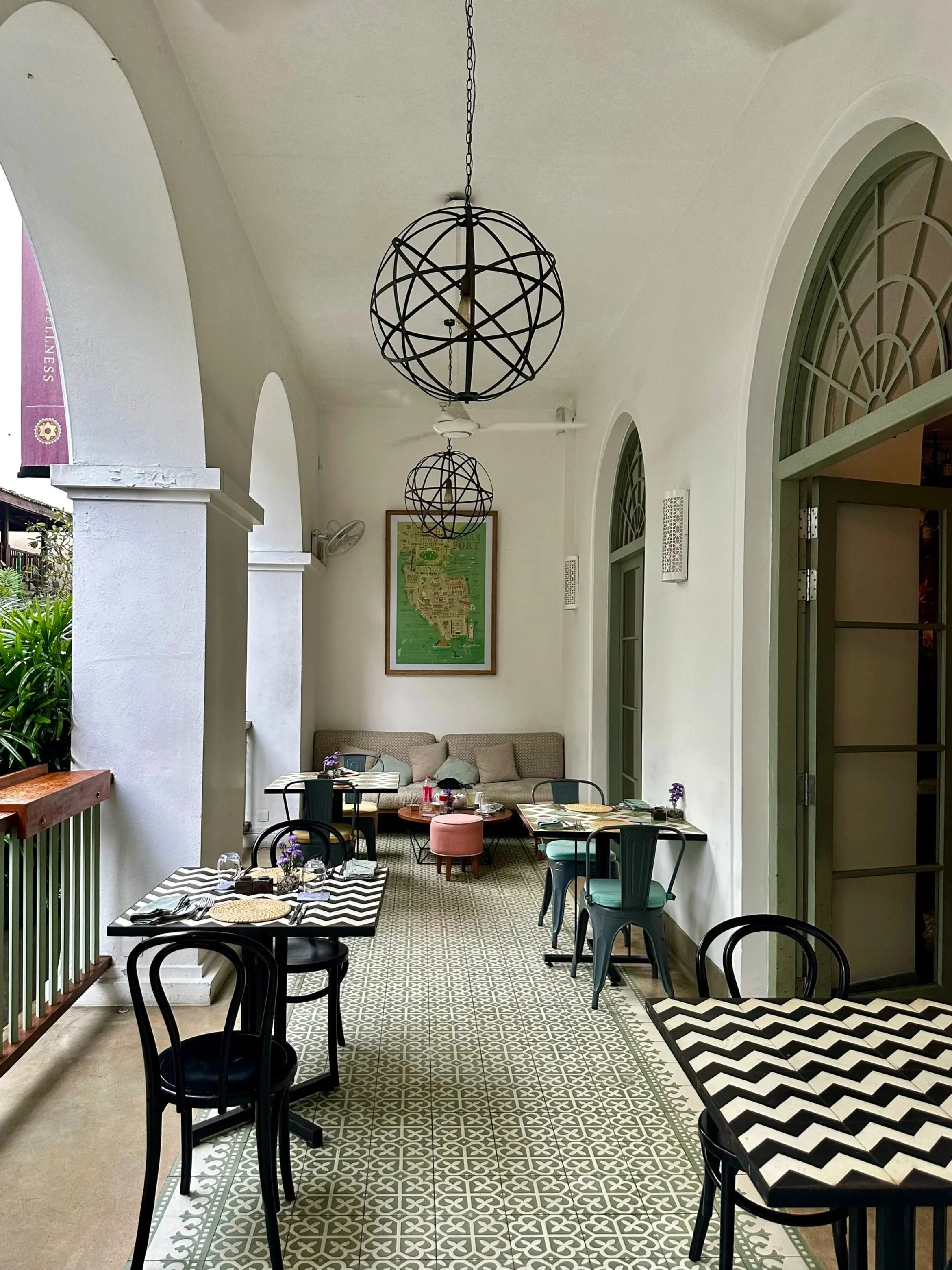
Where Sri Lanka’s past meets subtle colonial influence, Galle Fort is a charming contrast to the island’s coastal towns and mountain villages. Its streets feel like stepping into the old quarter of a European city — a rare example of European urban planning thoughtfully adapted to a tropical landscape, local materials and climate.
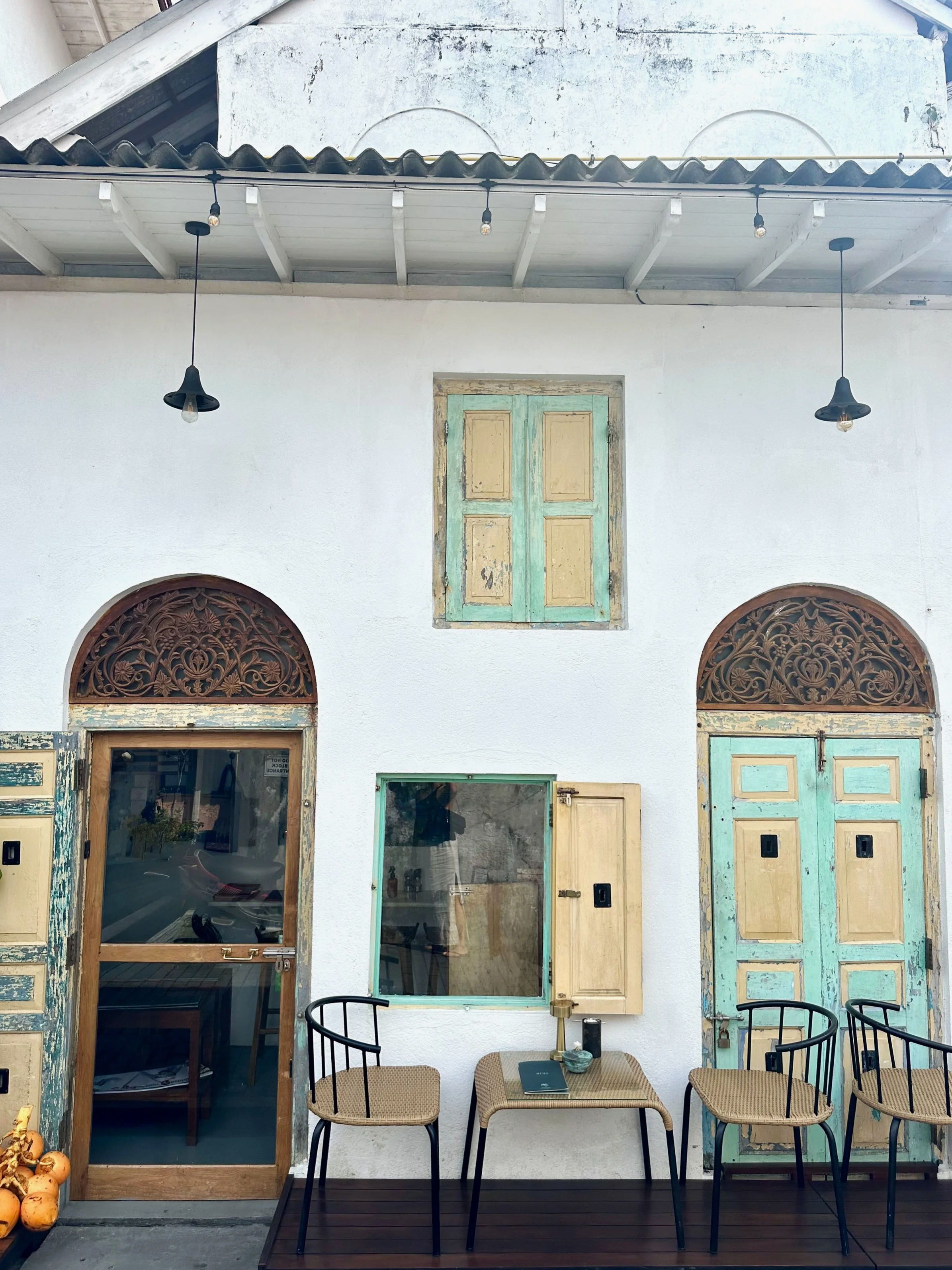
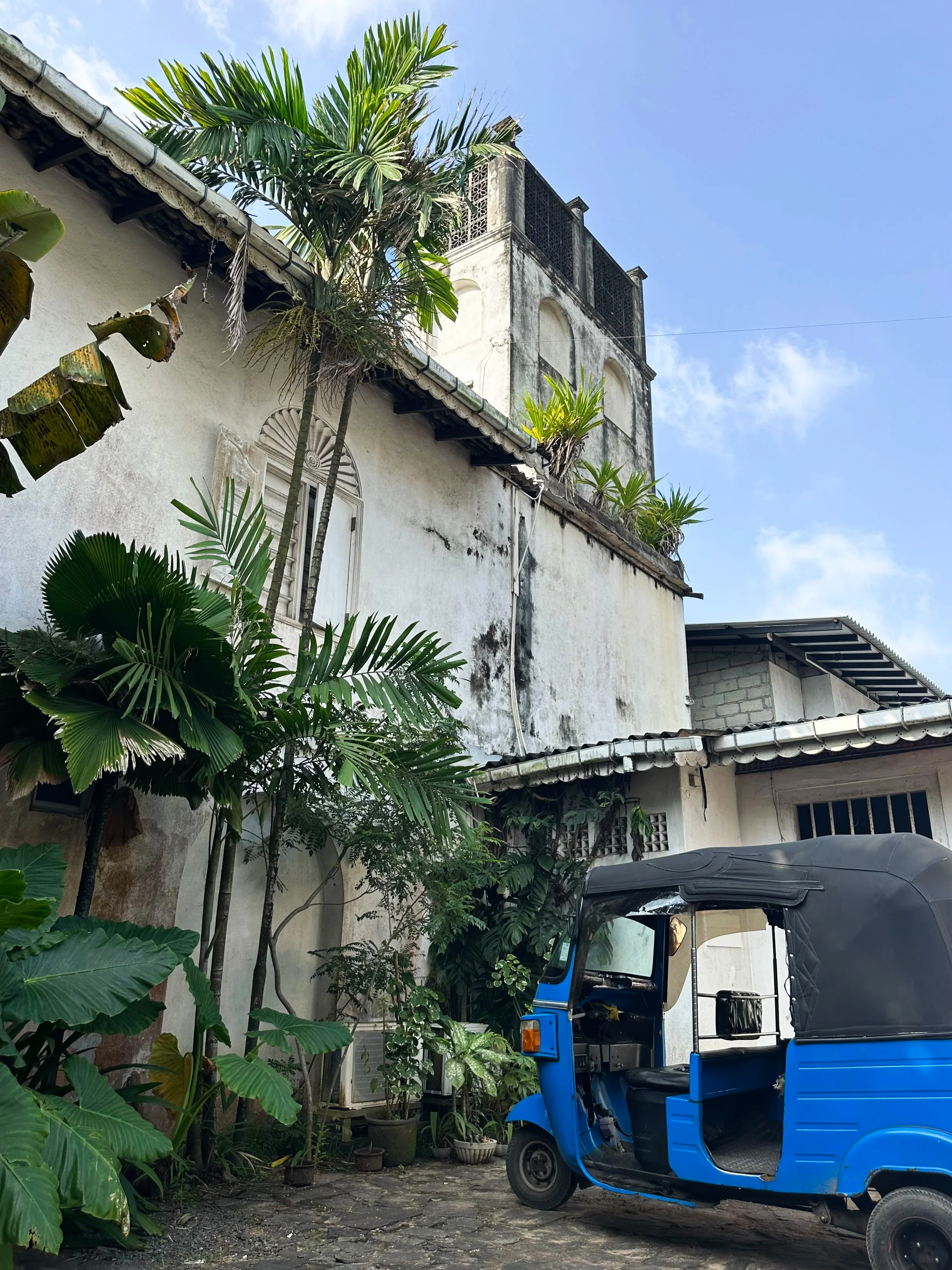
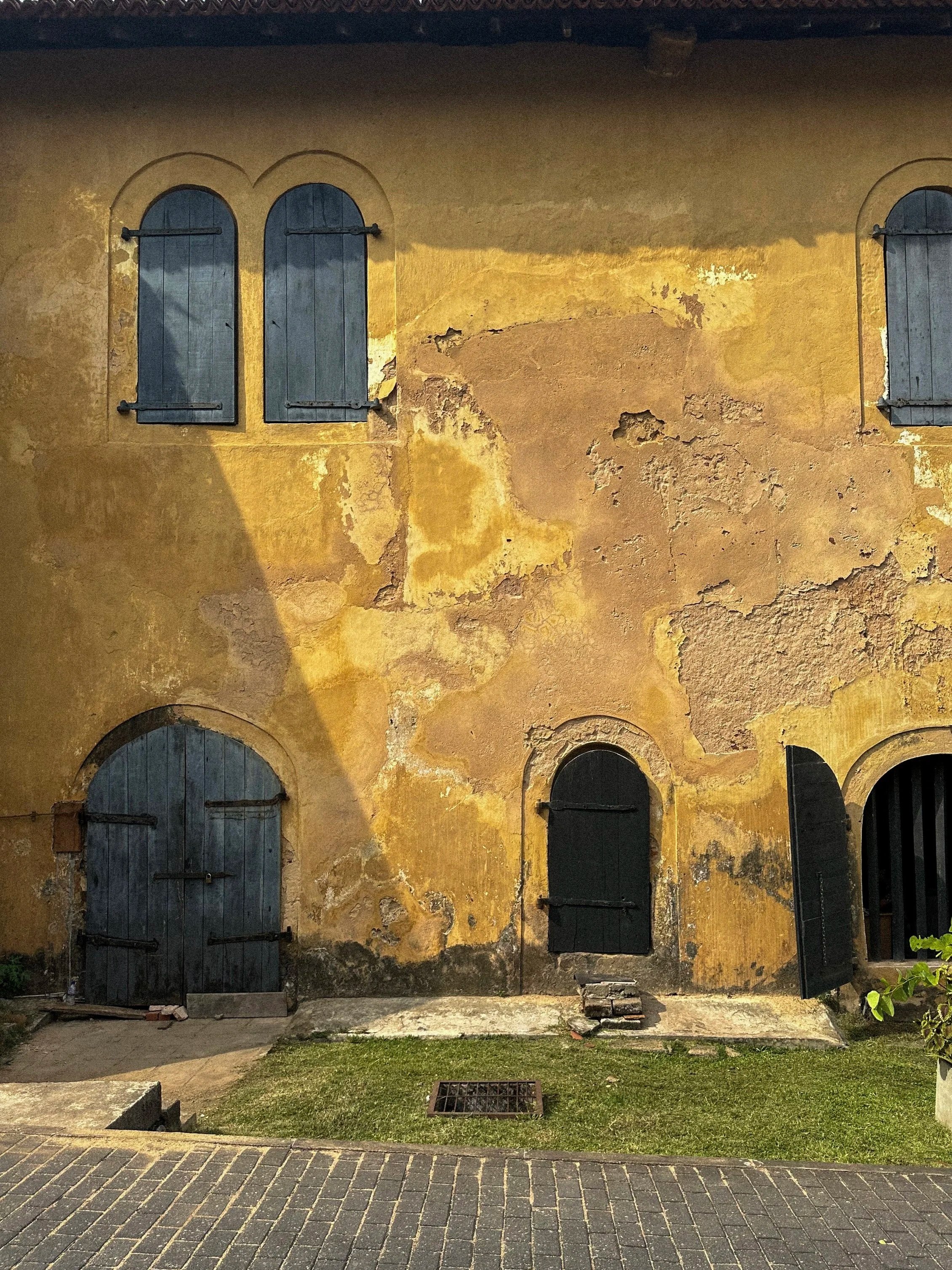
Established by the Portuguese in the 16th century as a military outpost, the fort’s architectural framework was later refined by the Dutch into the layered town we see today. Rather than imposing on the landscape, the ramparts follow the natural curve of the coastline. Within its walls, a Dutch grid system unfolds into a gentle streetscape of narrow-fronted houses, shaded verandas, internal courtyards, lattice windows, whitewashed walls, and timeworn teak doors.
JAMI UL-ALFAR — THE RED MOSQUE OF COLOMBO
Defined by its visually stunning red-and-white striped façade, Jami Ul-Alfar is a bold expression of Indo-Saracenic architecture set within Pettah’s bustling trading district. Built in 1908, the mosque was designed not just as a place of worship, but to be easily visible to ships alfar, approaching Colombo’s port.
Blending Indo-Islamic and Moorish Revival influences with local craftsmanship, architecturally, the mosque is driven by pattern and contrast. Onion domes, scalloped arches, arched colonnades, and geometric motifs establish a strong visual order, while filtered light softens the richly layered interior beneath the vibrant exterior.
Surrounded by commerce and constant movement, Jami Ul-Alfar reflects Sri Lanka’s multicultural design identity — where faith, trade, and global influence intersect through expressive, deeply contextual architecture.
GEOFFREY BAWA
Regarded as Sri Lanka’s most influential architect, Geoffrey Bawa pioneered Tropical Modernism — a design language that blurs the lines between indoor and outdoor living, feeling inseparable from the island itself. Rather than imposing modernism onto Sri Lanka, Bawa listened to the land, allowing the climate, light and local traditions to lead the way.
What he mastered so intuitively was atmospheres. In his designs, walls dissolved into gardens, corridors stretch toward framed views, and light is used as a material in itself. His spaces don’t announce themselves; they invite you to slow down, notice and feel grounded in them.
Bawa’s work spans the island, from government buildings to villas, boutique hotels, and private residences. Each carries layers of texture, colour, and restraint, echoing the same meditative calm found in Sri Lanka’s ancient sacred spaces — a quiet dialogue between architecture and nature.
SRI LANKA BEYOND THE SURFACE
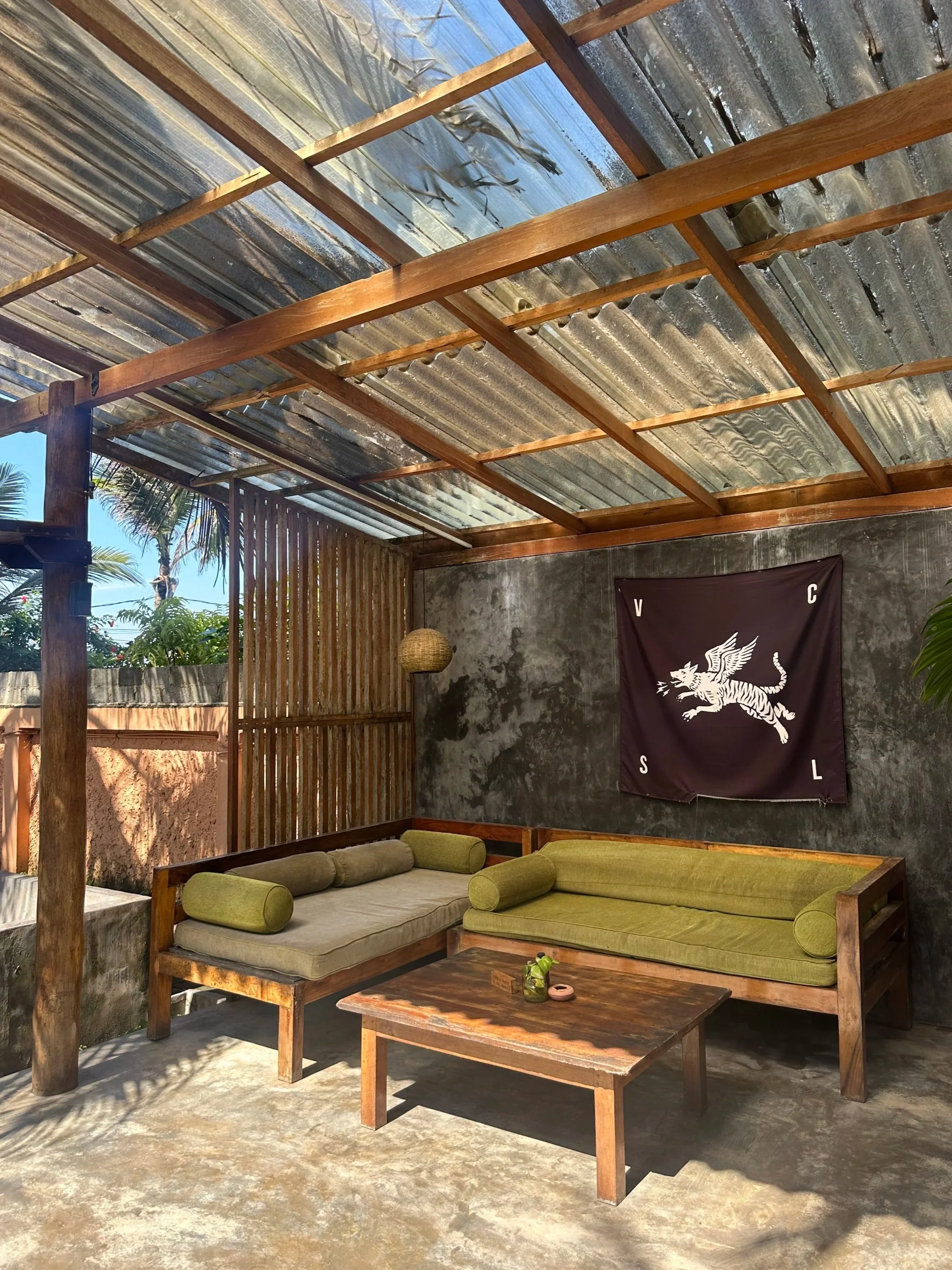
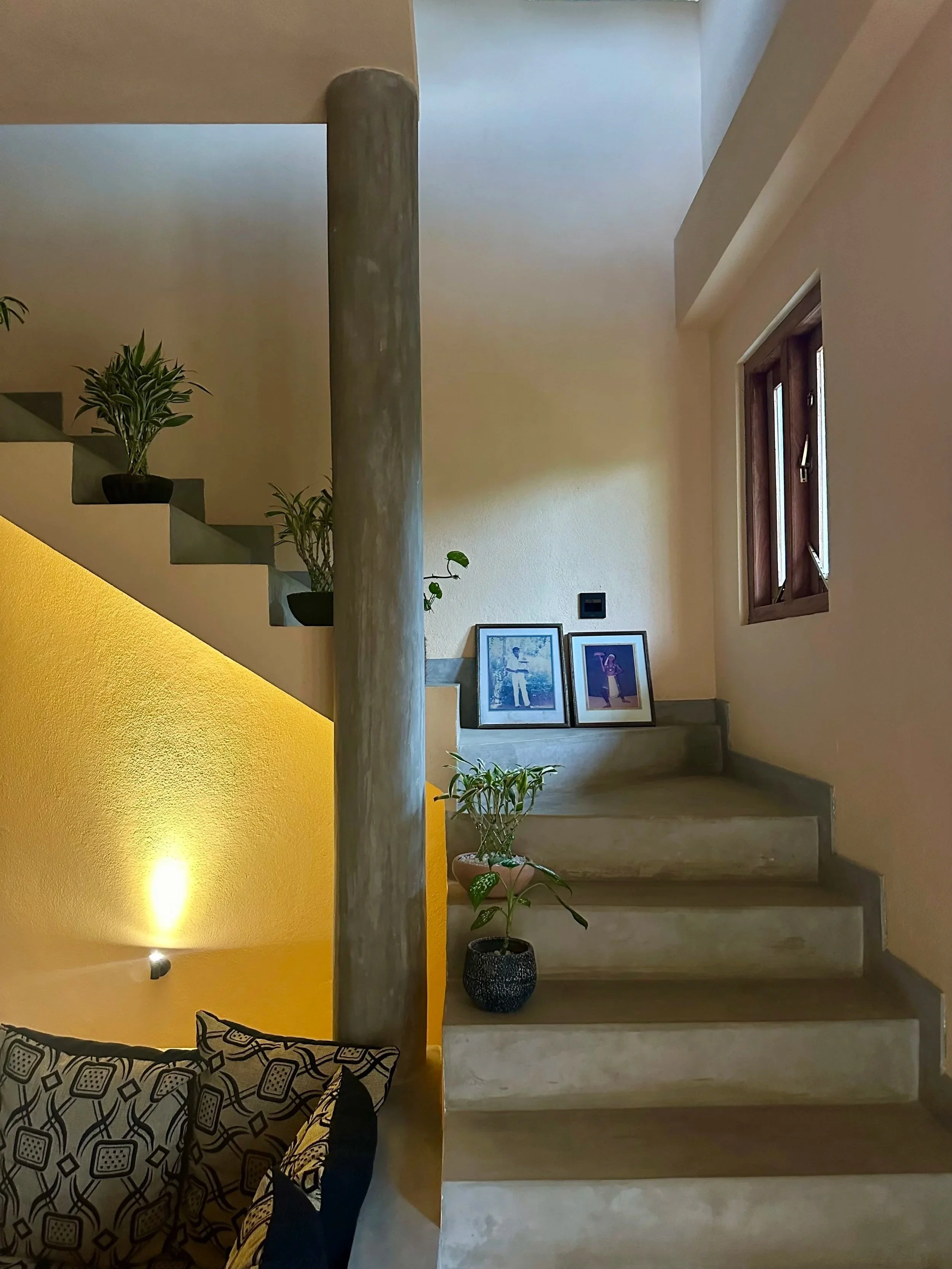
Design in Sri Lanka is woven effortlessly into daily life — from bold patterns and earthy colour palettes to calm, open spaces that allow nature to lead. It isn’t curated for display, but shaped by rhythm, landscape, and lived experience. This is a place that reminds you great design doesn’t demand attention. It evolves slowly, over generations, through craft, ritual, and everyday use. Sri Lanka’s design legacy isn’t preserved by institutions alone — it’s carried by its people, grounded in context and intention, continuously adapting while telling its story.
