A GUIDE TO THE HAI VAN PASS: VIETNAM’S SCENIC COASTAL RIDE
A GUIDE TO THE HAI VAN PASS: VIETNAM’S SCENIC COASTAL RIDE
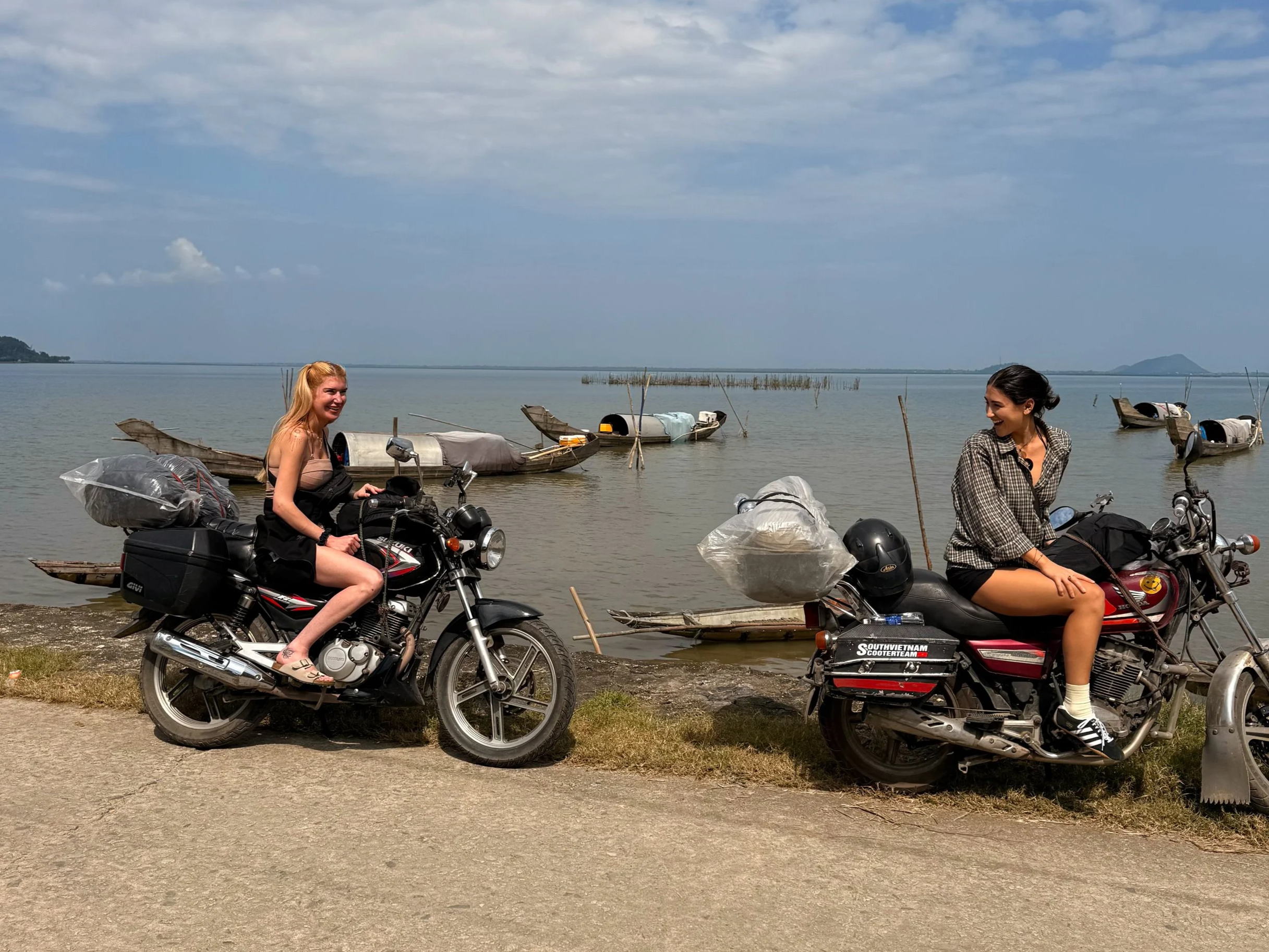
How do you describe riding on the back of a motorbike through Vietnam? Bliss. It’s a quiet, meditative feeling where your thoughts are left behind as the wind cleanses it all away, bringing you fully into the present moment.
The Hai Van Pass simply does that. It captures the soul of Vietnam through winding roads that curve through misty mountains before opening to sweeping coastal views. The scent of the ocean lingers as you cross the Hai Van Pass — the historic boundary that once separated kingdoms and cultures between the north and south. Whether this is your first or tenth trip, this ride belongs on your itinerary.
A LITTLE CONTEXT
Duration: 1 day
Difficulty: Easy - moderate for experienced riders
Easy Rider Cost: 1,250,000 VND + tip (2026)
What’s Included: Driver, bike, visor helmet, insurance, scenic stop-offs
Book an Easyrider: trusted drivers and seamless booking at GetYourGuide
Self-Driving Motorbike Rental: Style Motorbikes offers insured bike rentals with multiple locations across Vietnam
Alternative: A scenic and relaxed alternative is to take the train. More on this below.
WHAT IS THE HAI VAN PASS?
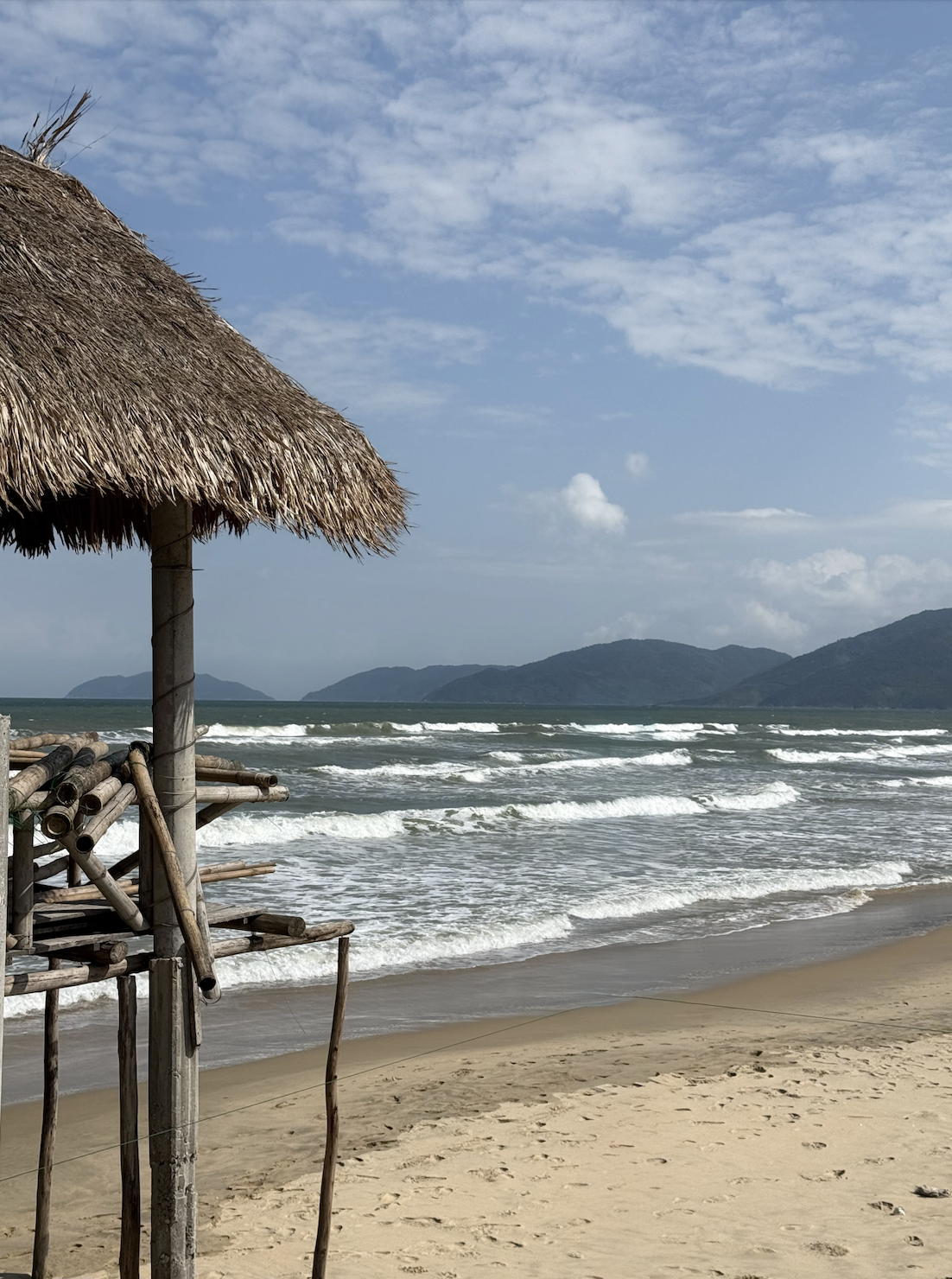
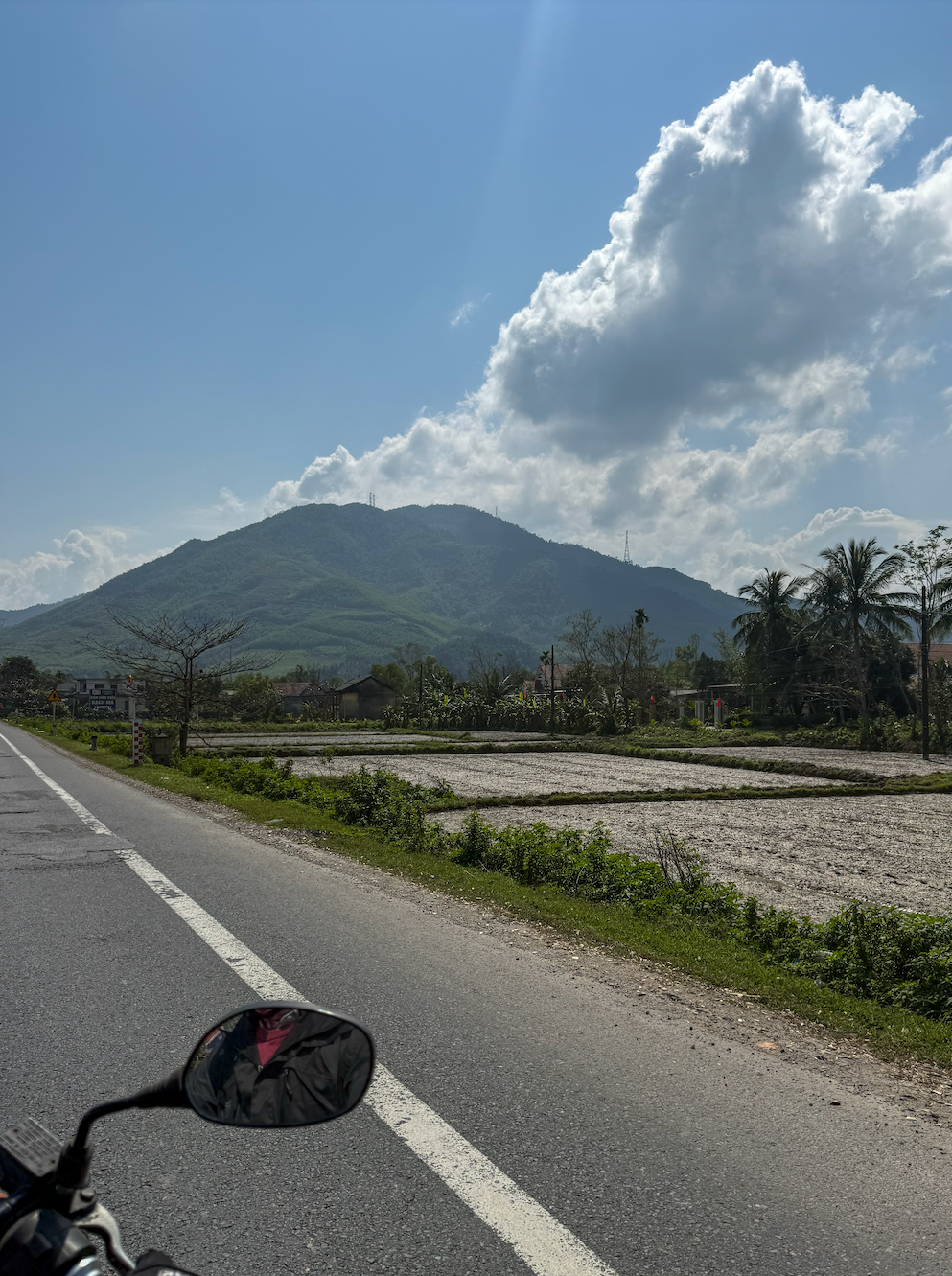
Located in central Vietnam, the Hai Van Pass is a 21 km mountain road connecting Hue — the old imperial capital — with Da Nang, often referred to as the Miami of Vietnam. Known for its winding curves and panoramic ocean views, the road climbs into the clouds and marks the divide between north and south.
Historically, the pass served as a natural defensive barrier and strategic military route, protecting Hue and controlling access between regions for centuries. It was once considered the most important gateway in Vietnam, both geographically and politically.
The ride itself takes around 45 to 60 minutes, but with waterfalls, viewpoints, coffee stops and historic landmarks, it easily becomes a full-day adventure.
EASY RIDER OR SELF-DRIVE?
Having now done the Hai Van Pass, it’s a route I would have felt confident driving myself. It gives you the freedom and flexibility to stop whenever you’d like and to move at your own pace.
I chose to ride with an easy rider after reading mixed comments on forums. While I’ve driven scooters in other countries, it’s always nice to be on the back — carefree, soaking in the views, taking photos, and curating the soundtrack for the ride.
With that said, driving in any foreign country should be done with caution and having a travel insurance policy — lets just say that the road rules in Southeast Asia are untamed.
WHERE TO STOP OFF
There are plenty of places to explore along the route. Start early for a full day, or choose a few meaningful spots to stop and linger. In Vietnam, it’s easy to get caught up in wanting to do it all. Sometimes knowing what to skip is just as important as knowing what to see.
Tip: If riding with an easy rider and you have must-see spots, tell them in advance to avoid missed stops.
01 / Thác Nhị Hồ Waterfall
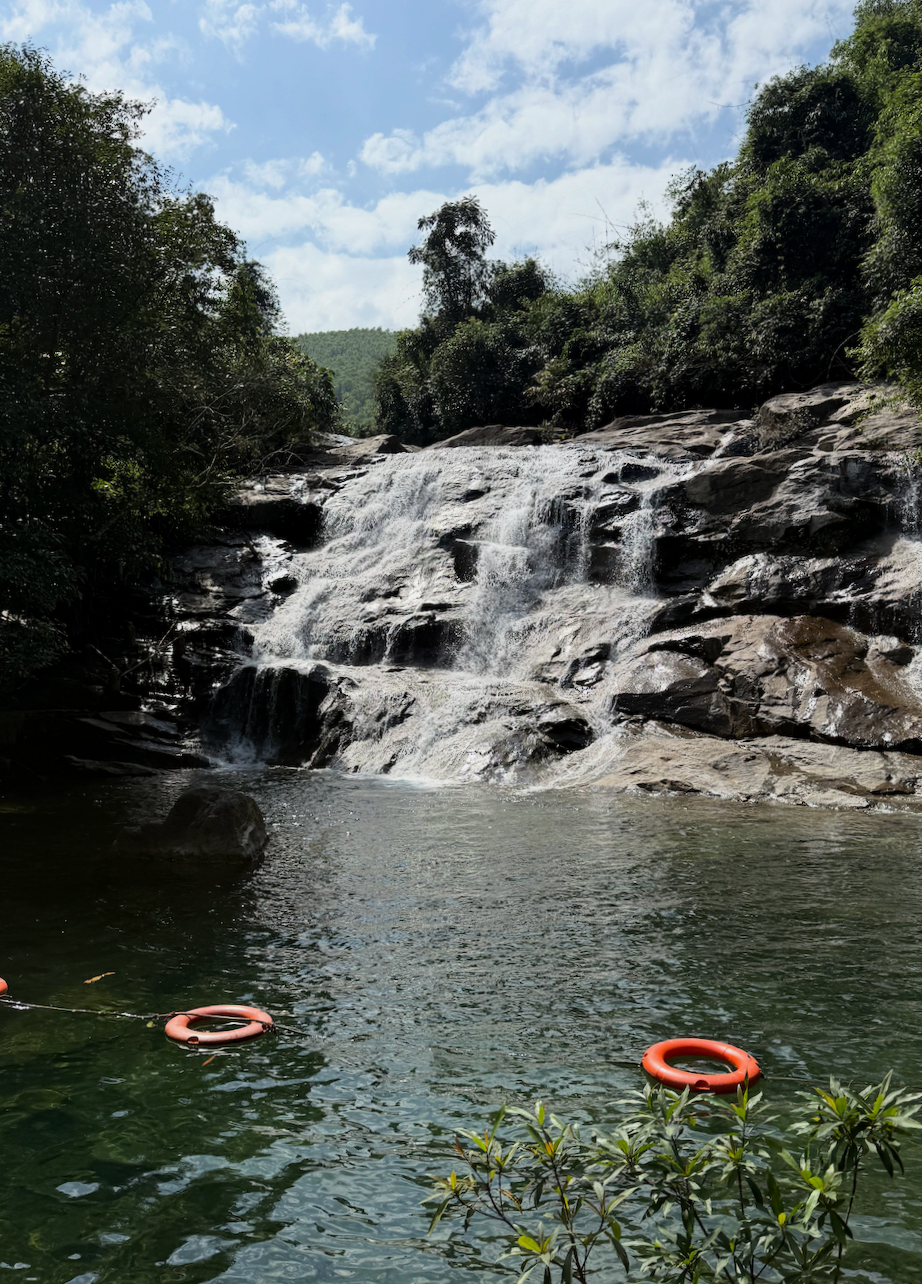
Located about 45km south of Hue, Thác Nhị Hồ is the perfect spot to cool down for a mid-ride swim. Surrounded by vines, cliffs and dense greenery, the waterfall drops 7 metres into two natural pools. Entry is 30,000 VND, where we were lucky enough to have it to ourselves.

02 / Vietnamese Brewed Coffee Stops
There are countless places to stop for coffee, from cafes to roadside stands. You’ll find Vietnamese specialties like salt coffee, egg coffee, and coconut coffee — perfect for breaking up the ride.
03 / Lunch At A Beachside Seafood Restaurant
Being by the coast, you’ll find plenty of local eateries overlooking the ocean. We ordered noodles with calamari and a serving of grilled prawns, freshly barbecued as we ordered. It’s a sweet look out to soak in being by the ocean and feel the subtle shift in scenery as you move south.
04 / Marking The Start Of The Hai Van Pass At Lăng Cô Bay
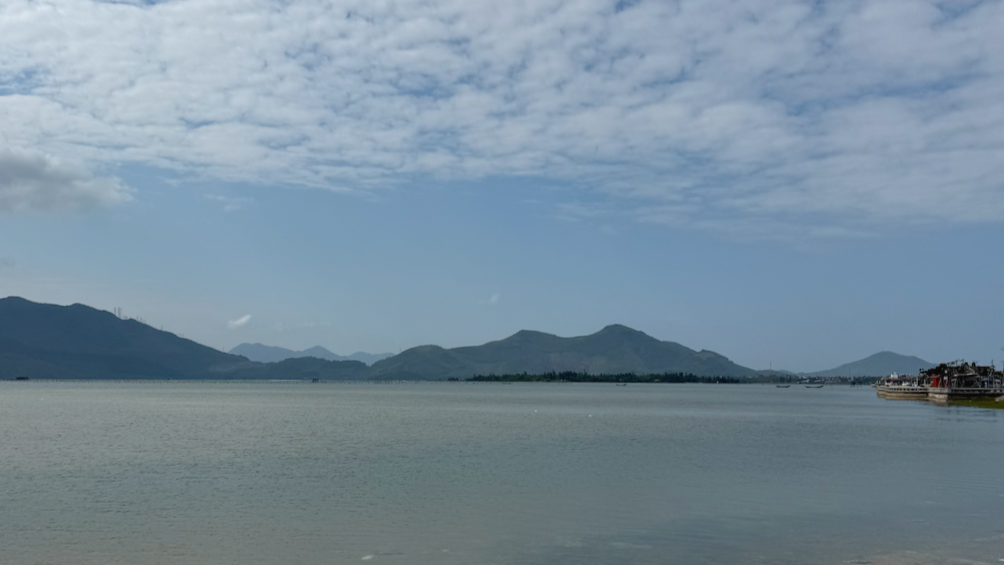
Perfectly positioned at the base of the Hai Van Pass along National Road 1A, Lăng Cô Bay marks either the beginning or the end of the journey, lined with dramatic mountains as the backdrop.
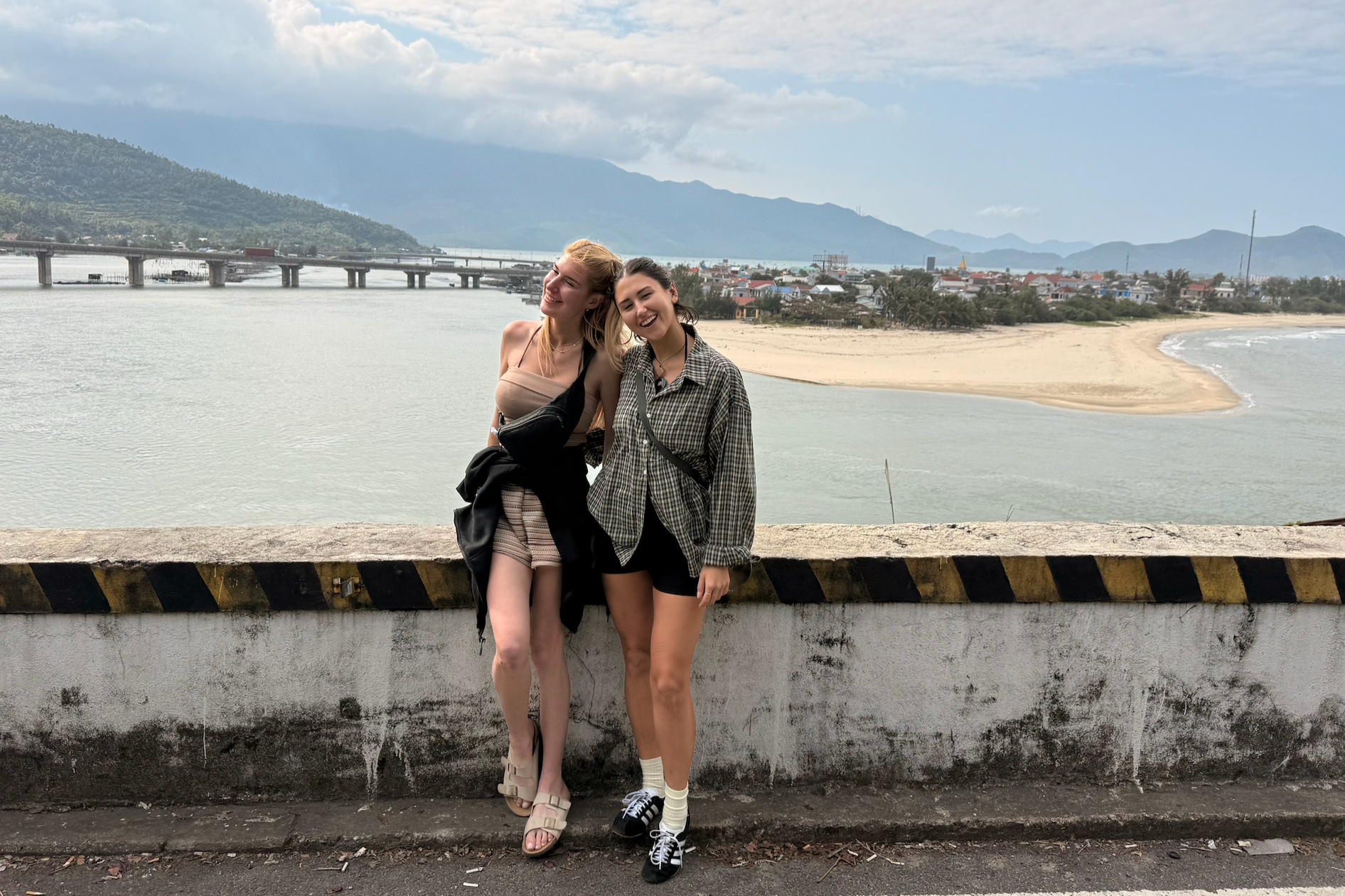
Overlooking Lăng Cô Bay
05 / The World’s Most Majestic Gate - Hai Van Gate
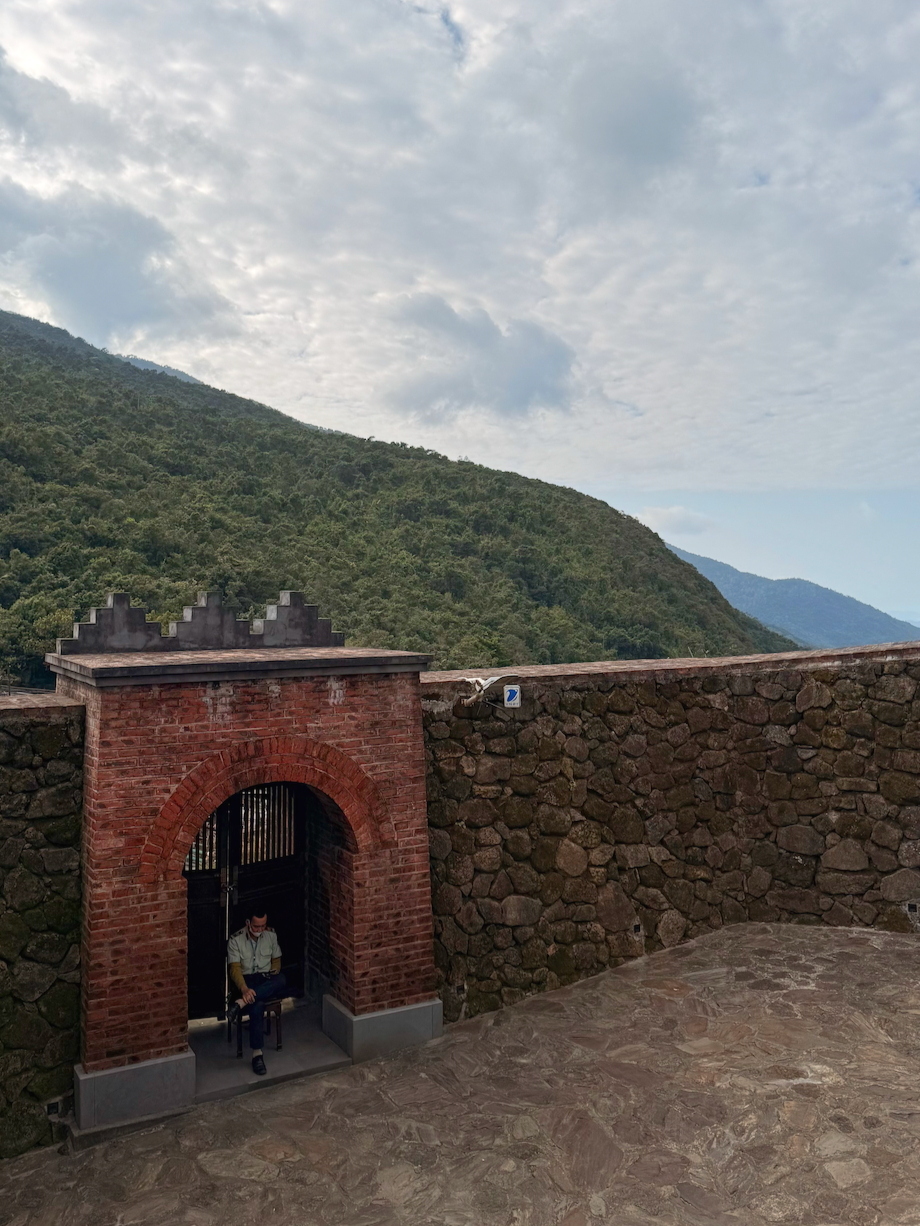
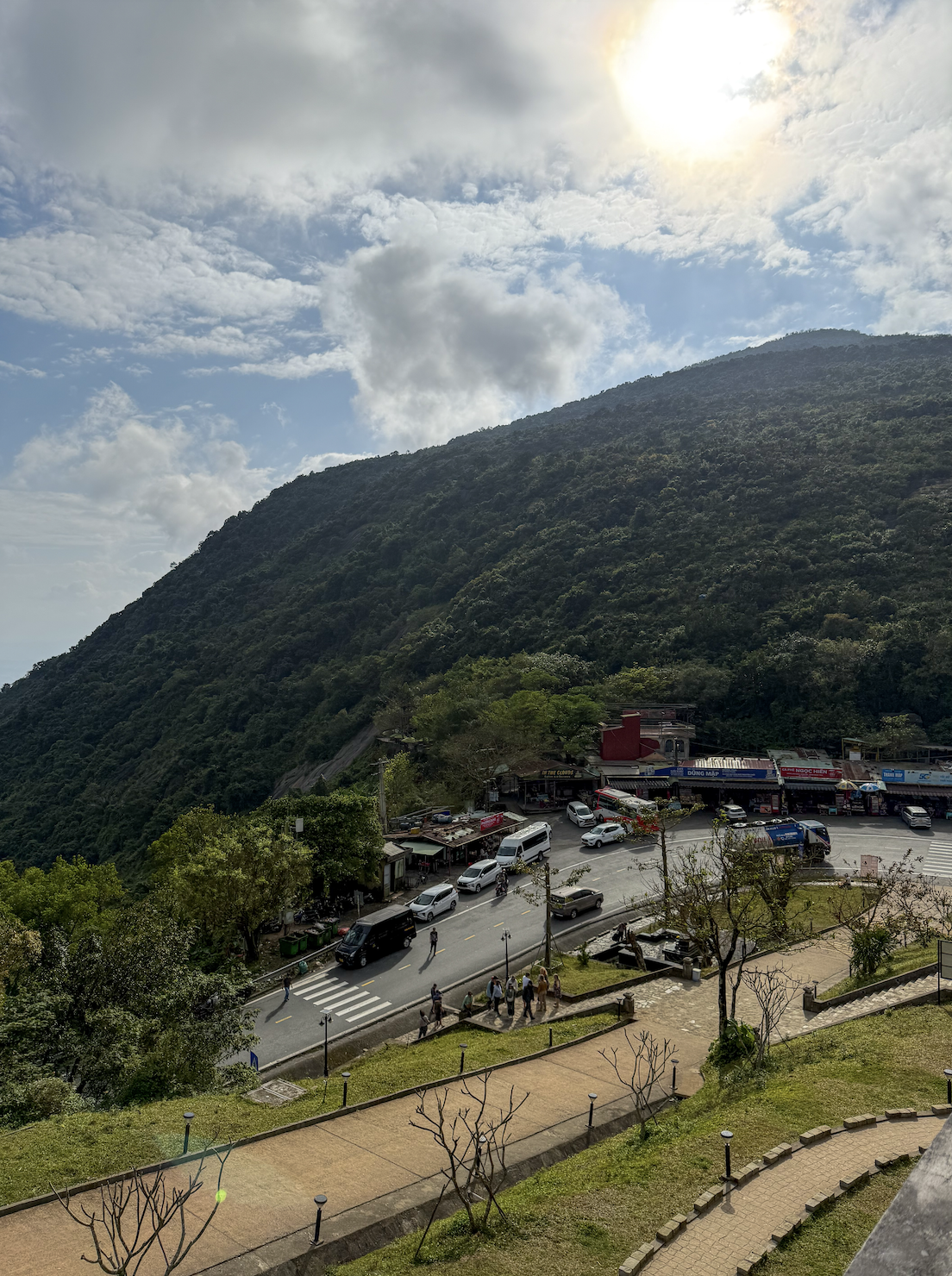
The Hai Van Gate sits at the highest point, marking the boundary between north and south Vietnam. Built in 1826 under the Nguyen Dynasty, it once protected the imperial city of Hue from invasion.
The stone gate stands nearly six metres high, with an arched entrance and an upper level you can walk onto for sweeping views in both directions. The Hue-facing side reads “Hai Van Quan”, while the Da Nang side declares “The World’s Most Majestic Gate.”
One of my favourite moments of the day was meeting a local woman who ran a small stall by the gate. With the warmest smile, she insisted we sit, have a drink, and rest. The stall behind hers was filled with handmade bangles and jewellery, each with different cuts of stone. Her gentle presence and affectionate personality were a reminder that it’s often the people — not the places — who leave the deepest impression.

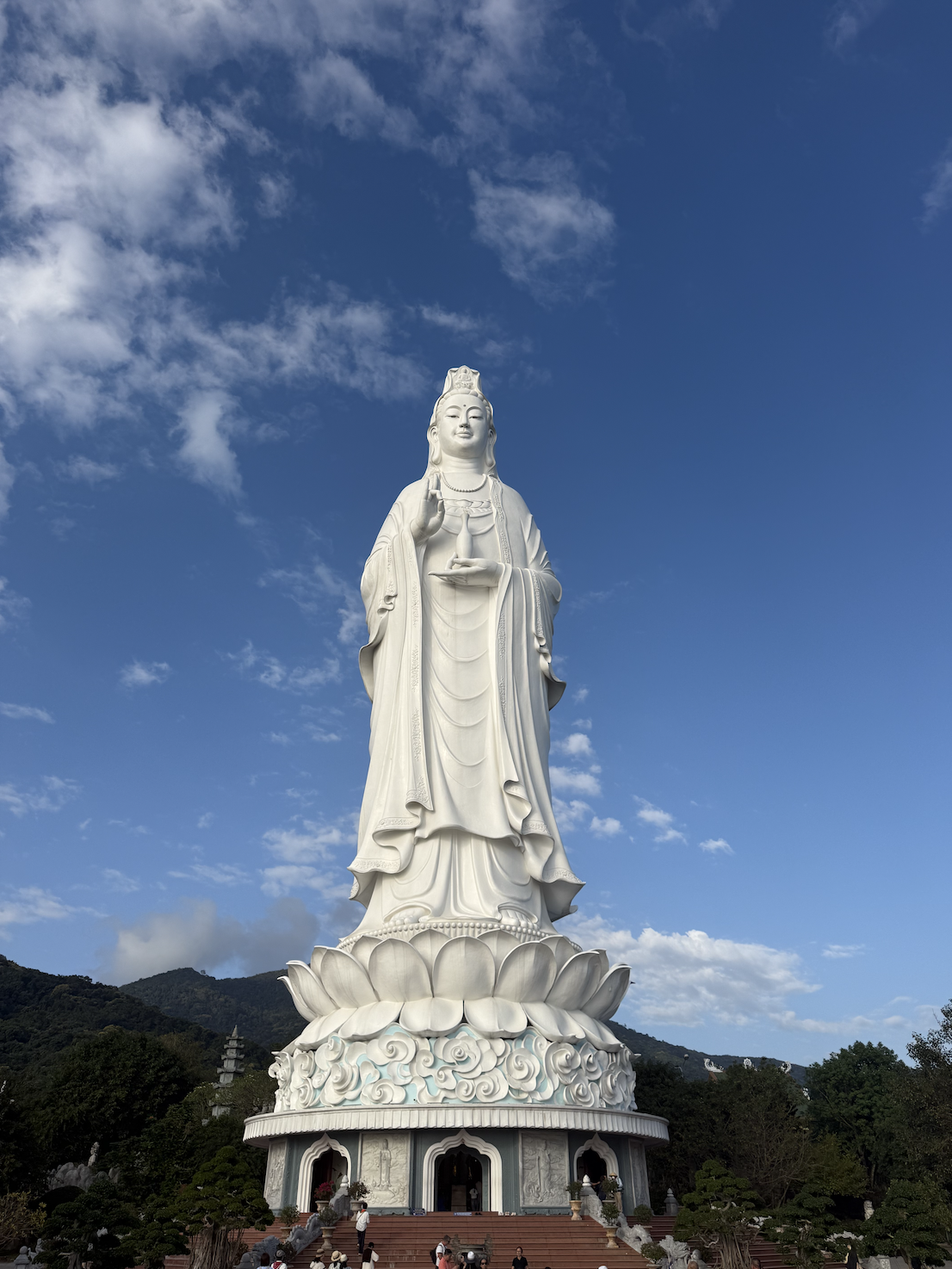
06 / Lady Buddha – Linh Ung Pagoda
Located about 10 km from Da Nang, Lady Buddha stands 67 metres tall as the tallest Buddha statue in Vietnam.
She was built in 2010, facing the East Sea with her back to the mountains. Lady Buddha watches protectively over the coastline with one hand forming a sacred mudra, the other holds a vase of blessed water.
The grounds are immaculately maintained, filled with gardens and bonsai trees — a plant deeply cherished throughout Vietnam. Shoulders and knees must be covered to enter, and you can climb inside the statue for panoramic views of Da Nang and its river boats below.
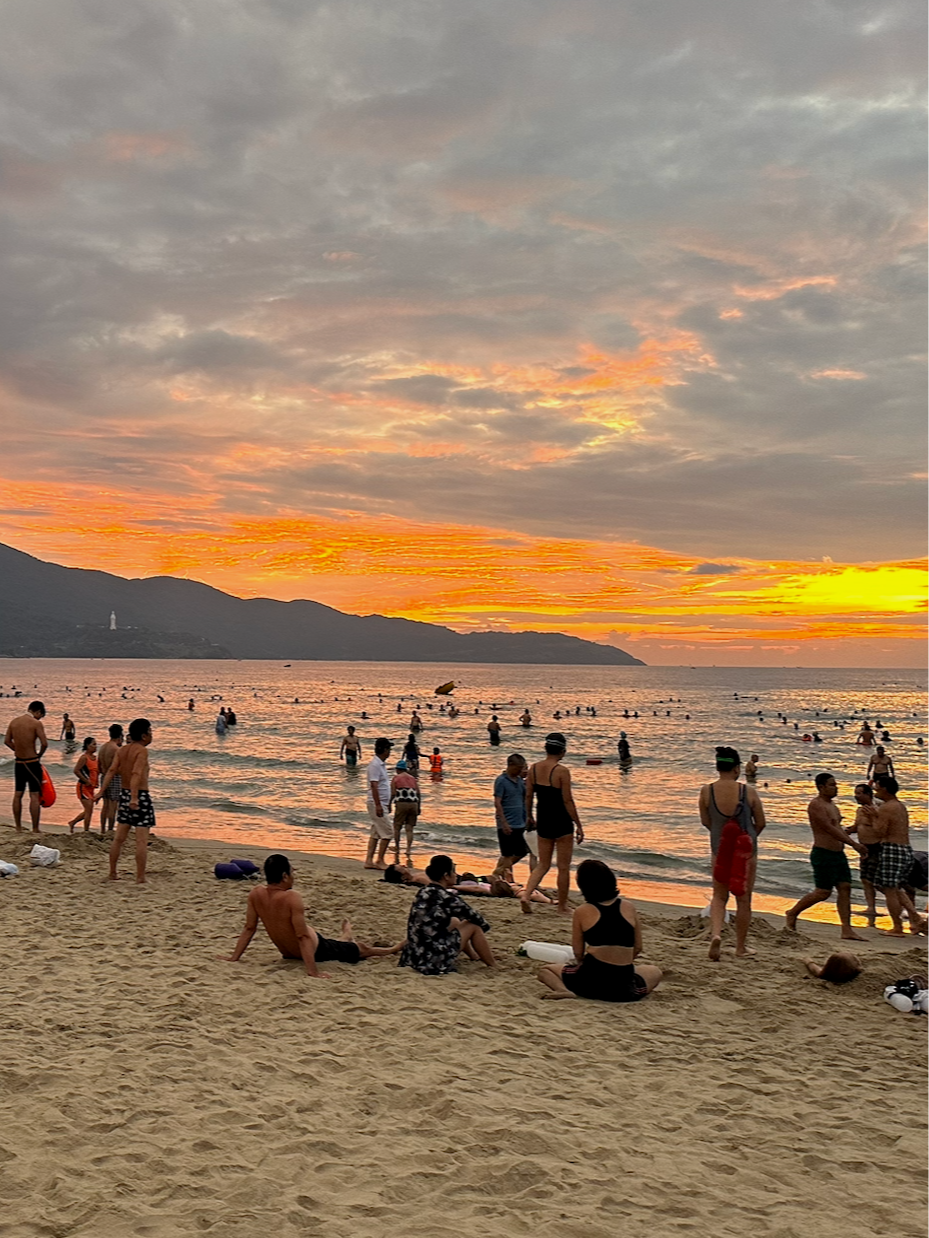
At night, the statue is illuminated and can be seen in the distance so clearly from the beaches of Da Nang.
07 / Marble Mountain
If you’re riding onward to Hoi An, the Marble Mountains make an easy detour. This cluster of limestone hills is home to caves, pagodas, and viewpoints overlooking the coast. It’s a grounding final stop before reaching the old town.
WHAT THE RIDE IS ACTUALLY LIKE
Our easy riders arrived early, strapping our backpacks securely to the back of the bikes. The seats were padded with backrests, making the ride surprisingly comfortable.
Despite what the forums suggest, the roads — including the downhill stretch from Hue to Da Nang — are wide and in excellent condition. The traffic was minimal, and trucks were brief but weren’t difficult to navigate.
ALTERNATIVE: TAKING THE TRAIN
If riding isn’t for you, the train offers another scenic route to experience the Hai Van Pass. The railway runs along the coastline, gliding above the pass with uninterrupted sea views. The track hugs the coastline and slips through mountain tunnels, revealing a side of the pass that can’t be accessed by road.
I took the train on my first trip, travelling from Da Nang to Phong Nha to explore Hang En Cave — an overnight expedition in the world’s third-largest cave. It was one of the most surreal and cinematic experiences, adding another layer of adventure to my Vietnam chapter.
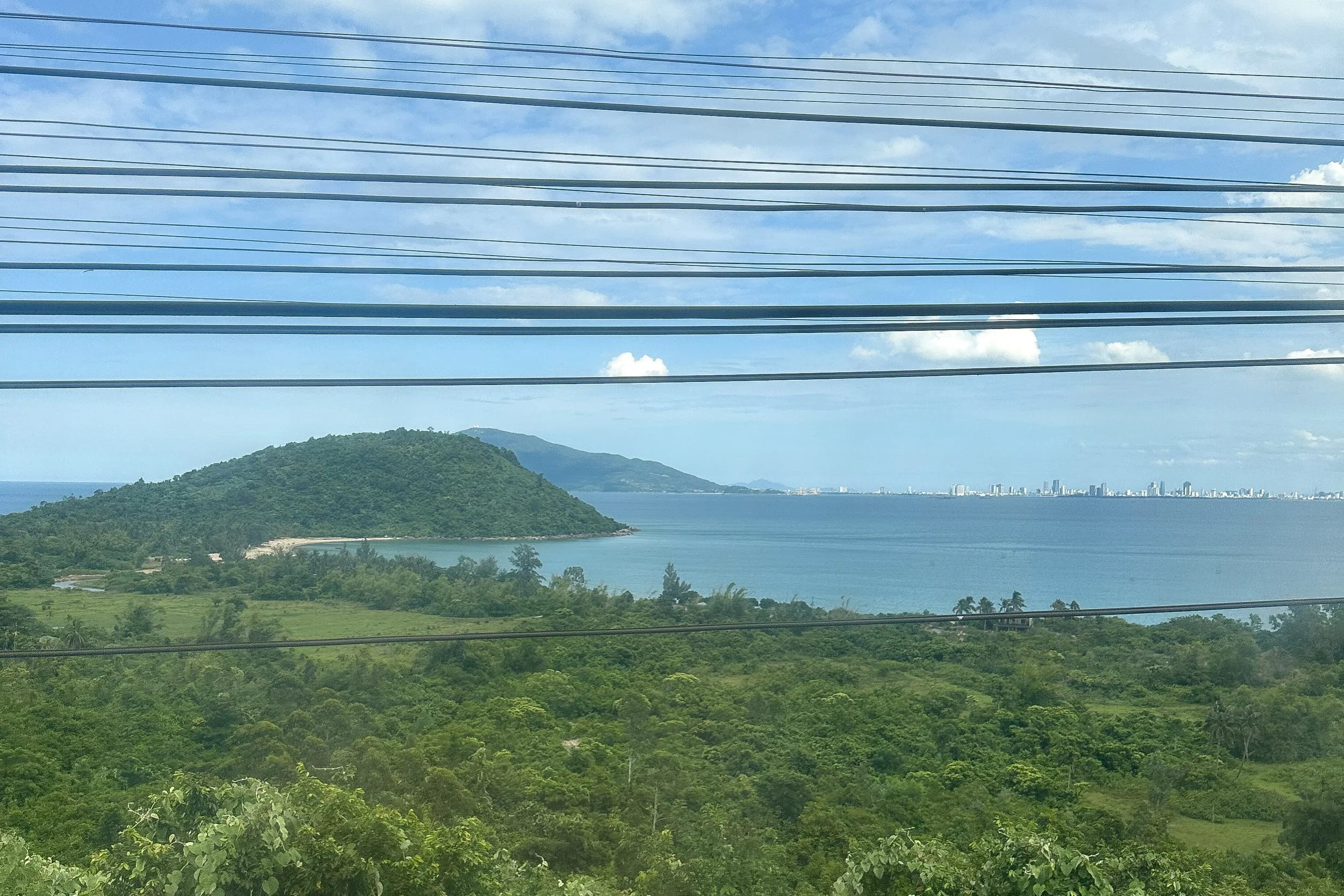
Train ride crossing the Hai Van Pass, 2023
FINAL THOUGHTS ON THE HAI VAN PASS
Sometimes the best travel days are the ones spent moving slowly and letting the road lead the way. It’s moments like this that remind me why I love to travel — the opportunity to turn a travel day into a memory, seeing Vietnam unfold layer by layer with each visit.
Quiet roads, cool mountain air, endless ocean views, and small human moments in between make the Hai Van Pass unforgettable. Whether you ride solo, with an easy rider, or by train, the passage is a crossing of landscapes, histories and identities — tracing the seam of a country once divided, now gently woven back together.